
Sleep Apnea and Oral Health: How Your Dentist Can Help
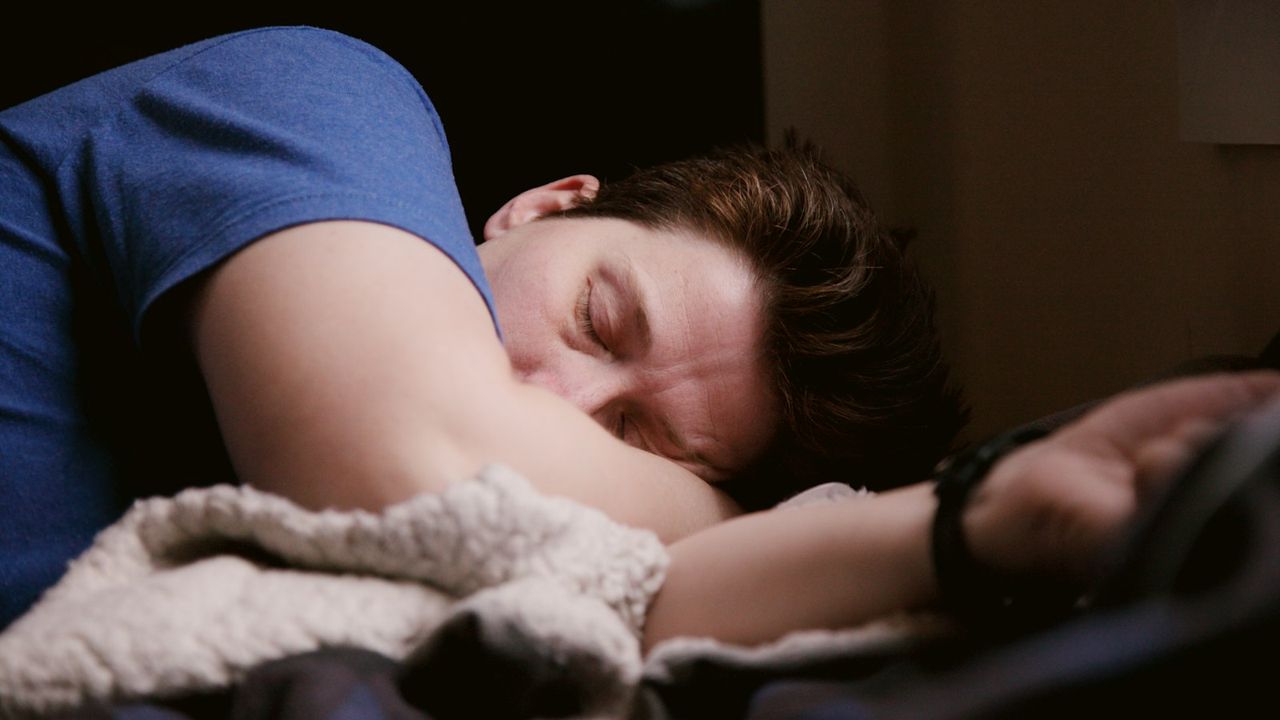
Obstructive sleep apnea (OSA) and snoring are part of the group of sleep-related breathing disorders. They don't just affect your rest: they can impact your concentration, your daytime performance and even your general health. At AKDENT – Dental Clinic, we assess oral signs associated with OSA and work with sleep specialists to offer comfortable, personalized solutions, such as mandibular advancement devices, along with sleep hygiene guidance and follow-up care.
Apnea vs. snoring: what's the difference?
Primary snoring is the noise caused by vibration of the soft tissues without significant interruptions in breathing. OSA involves partial or complete collapses of the upper airway during sleep, with drops in oxygen levels and micro-arousals that fragment your rest. The severity of OSA is measured with the Apnea-Hypopnea Index (AHI) in a sleep study (mild, moderate, severe). Snoring can be an early warning sign.
Signs and symptoms you shouldn't ignore
- Habitual snoring, observed pauses in breathing and nighttime gasping.
- Daytime sleepiness, morning headaches, dry mouth on waking.
- Waking up during the night, unrefreshing sleep, difficulty concentrating and irritability.
- Bruxism (teeth clenching), nighttime reflux, nighttime urination.
- In children: frequent snoring, mouth breathing, bedwetting, hyperactivity and poor school performance.
Most common risk factors
- Excess weight, larger neck circumference.
- Retrognathia or micrognathia, narrow palate, enlarged tongue.
- Nasal obstruction, rhinitis, deviated septum.
- Alcohol or sedative use at night, smoking.
- Age, male sex, family history.
- In children: enlarged tonsils/adenoids, malocclusions.
Diagnosis: how apnea is confirmed
Your dentist can detect oral signs (retrognathia, narrow palate, wear from bruxism, a tongue with scalloped edges) and use screening questionnaires, but the definitive diagnosis is made by Sleep Medicine through polysomnography or a home sleep study. At AKDENT we coordinate the referral and, once the diagnosis is in hand, we define the treatment plan together with the specialist.
The dentist's role: mandibular advancement devices (MADs)
MADs are adjustable, two-piece (dual-block) devices that gently move the lower jaw forward and, with it, the tongue, increasing the space in the throat and reducing airway collapse. They are a well-accepted option for snoring and mild-to-moderate OSA, and for patients with severe OSA who cannot tolerate CPAP (always after a multidisciplinary assessment).
Indications and limitations of MADs
- Indicated for: primary snoring; mild-to-moderate OSA; severe OSA with CPAP intolerance in selected cases.
- Benefits: reduced snoring, lower AHI and less sleepiness; a portable, silent device.
- Limitations: not all patients respond equally; daily use and follow-up visits are required; progressive titration may be needed.
The AKDENT process, step by step
- 1) Dental and TMJ/occlusion evaluation, review of your sleep study and any comorbidities (e.g., rhinitis).
- 2) Records: intraoral scan or impressions, and a comfortable protrusion record (starting point).
- 3) Fabrication of the adjustable two-piece device.
- 4) Fitting and gradual titration (small weekly advancements based on symptoms and tolerance).
- 5) Follow-up: check-up at 2–4 weeks and at 3 months, plus a repeat sleep study to objectively measure effectiveness when appropriate.
- 6) Annual maintenance (or sooner if symptoms change), with a review of your gums, teeth, TMJ and bite.
Side effects and how to prevent them
- Temporary: excess salivation or dry mouth, tooth pressure, morning muscle/TMJ pain (usually resolves with adjustments and exercises).
- Long term (uncommon): mild changes in the bite. Strategies: a morning repositioning splint/guide, jaw exercises, regular check-ups.
- Hygiene: brush the device with mild soap and a dedicated toothbrush; do not use very hot water or abrasive toothpastes.
CPAP vs. MAD: which is right for me?
CPAP is the gold standard for moderate-to-severe OSA because of its high average effectiveness. MADs offer greater portability and comfort for many patients and very good results for snoring and mild-to-moderate OSA. The choice is made case by case, weighing effectiveness, adherence and patient preferences together with the sleep specialist.
Other complementary options
- Sleep hygiene and positional therapy (sleeping on your side, elevating the head of the bed).
- Weight loss and regular exercise if you are overweight.
- Management of nasal obstruction (ENT), rhinitis or allergies.
- Orofacial myofunctional therapy (tongue and throat exercises) as support.
- Orthodontics/maxillary expansion in selected cases.
- ENT airway surgery (specific cases selected by the specialist).
Bruxism, TMJ and apnea: how they are related
Bruxism and OSA can coexist. In some patients, improving nighttime breathing reduces episodes of clenching. If there is TMJ pain, we adjust the advancement and add complementary exercises/therapy to protect the joint while we treat the OSA.
Pediatric apnea: signs and approach
- Frequent snoring, mouth breathing, observed breathing pauses.
- Hyperactivity, paradoxical sleepiness, bedwetting, poor performance.
- Common causes: large tonsils/adenoids, narrow palate, malocclusions.
- Approach: ENT referral, orthodontic assessment (maxillary expansion in appropriate cases), sleep hygiene. Pediatric MADs have limited indications.
Sleep hygiene: your practical routine
- Keep a regular schedule and a dark, quiet, cool bedroom.
- Avoid screens and intense stimulation 60–90 minutes before bed.
- Eat light dinners; no alcohol or sedatives late in the evening.
- Sleep on your side and try elevating the head of the bed (if comfortable).
- Weight control, moderate exercise and management of nasal congestion.
Relative contraindications for MADs
- Uncontrolled periodontitis, tooth mobility, extensive edentulism without support.
- Acute, uncontrolled temporomandibular disorder, severely limited mouth opening.
- Intense gag reflex, hypersensitivity to intraoral devices.
- Complete dentures: a prosthetic alternative/implants for anchorage may be considered.
Warning signs that require medical referral
- Frequent pauses in breathing and snoring with observed gasping.
- Marked daytime sleepiness or sleep-related accidents.
- Hard-to-control high blood pressure, known arrhythmias.
- Unexplained weight loss, fever or sudden onset of symptoms.
Frequently asked questions (FAQ)
- How long does a MAD take to work? Many people notice less snoring within days to weeks; optimizing the advancement may take several weeks. In appropriate cases, we confirm results with a repeat sleep study.
- Will it change my bite? Mild changes in the bite may occur over the long term. We manage this with exercises, a morning guide and regular check-ups.
- Does it work if I grind my teeth? In many cases, yes; we adjust the design and monitor the TMJ.
- What if I have implants or crowns? We evaluate their stability and distribute forces; it is usually not an obstacle.
- How often does a MAD need to be replaced? The typical lifespan is 3–5 years depending on use and material. Annual check-ups are recommended.
- Can I travel with it? Yes, it is lightweight and portable, ideal when CPAP isn't practical.
Your plan at AKDENT: coordinated evaluation and treatment
At AKDENT – Dental Clinic, we carry out a comprehensive evaluation, coordinate your sleep diagnosis and design your custom-made device with follow-up and progressive titration. Our goal: for you to sleep better, snore less and enjoy a better quality of life with a comfortable, measurable plan.
Do you snore or feel sleepy during the day? Request your sleep apnea assessment at AKDENT. The sooner we act, the simpler and more effective the solution will be.
Updated: