

Why Do My Teeth Break So Easily?
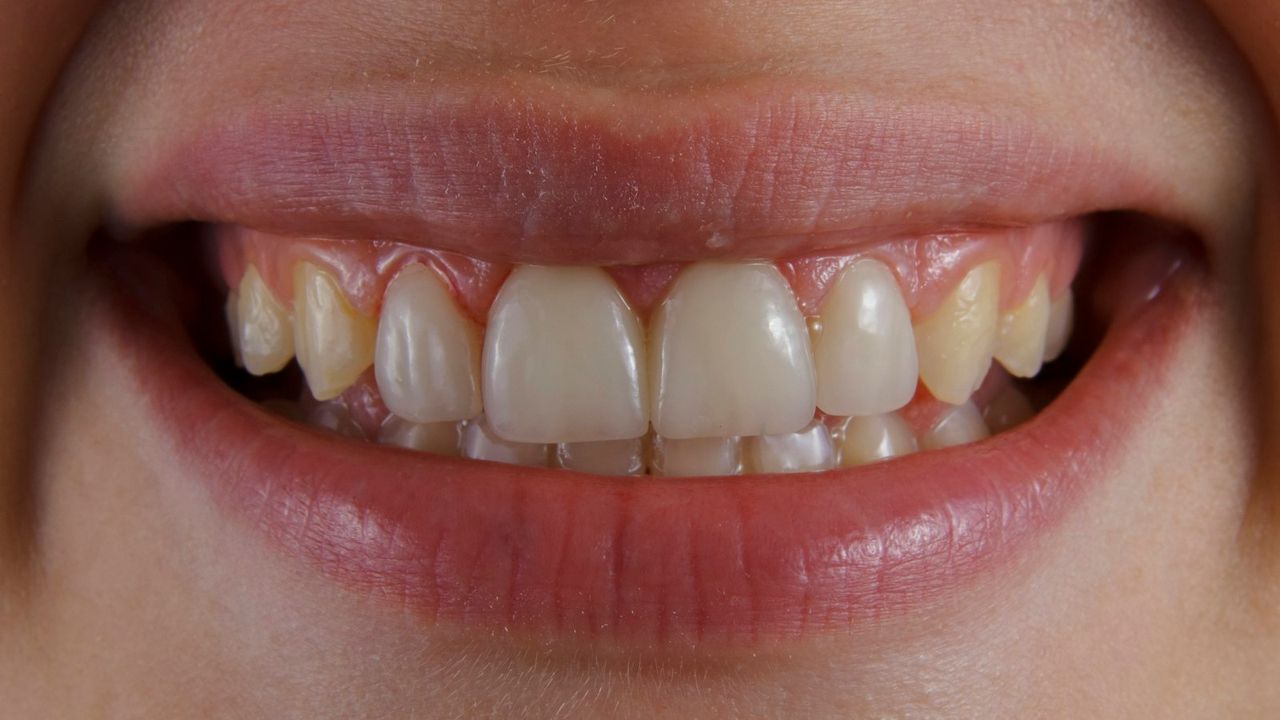
“I don't understand why a tooth broke when I barely bit into anything hard.” This situation is more common than it seems. Many people think a tooth only fractures from a hard blow, but in reality there are several factors that can gradually weaken it until it finally breaks during everyday activities. At AKDENT – Dental Clinic, we explain why this can happen and which warning signs you should not ignore.
Teeth that break easily: a sign you shouldn't ignore
When a tooth fractures, chips or loses a piece for no apparent reason, it is usually not a coincidence. In many cases, the tooth had been weakening for some time without causing clear symptoms. Sometimes the problem lies in the enamel, other times in the bite, in repetitive habits, or in old restorations that no longer protect the tooth properly.
The important thing to understand is that a tooth rarely breaks “out of the blue”: often it has simply reached its limit.
Enamel wear: a protective layer that can gradually be lost
Dental enamel is the outer layer that protects your teeth, but it is not indestructible. Over time it can wear down for various reasons, leaving the tooth more vulnerable to cracks, sensitivity and fractures.
- Brushing too aggressively.
- Frequent consumption of acidic foods and drinks.
- Bruxism or teeth clenching.
- Natural wear over the years.
When the enamel is weakened, even chewing normal foods can lead to small breaks.
Bruxism: when you clench your teeth without realizing it
One of the most common reasons teeth break is bruxism. Clenching or grinding your teeth, especially at night, creates constant pressure that ends up causing microfractures. At first they may go unnoticed, but over time they weaken the structure of the tooth.
- Wear on the edges of the teeth.
- Small visible cracks.
- Discomfort upon waking.
- Tension in the jaw or face.
Many people don't know they have bruxism until a fracture or persistent sensitivity appears.
Old fillings or large restorations
Teeth with large fillings, old reconstructions or previous treatments can be more fragile than an intact tooth. This doesn't mean the treatment was poorly done, but rather that the natural structure of the tooth has already lost some of its strength.
Over time, restorative materials can also wear down or leave areas more exposed, increasing the risk of the tooth fracturing.
- Very large fillings.
- Teeth that have had root canal treatment.
- Old reconstructions.
- Teeth that previously had significant decay.
Biting hard things or using your teeth as tools
Some everyday habits weaken or fracture teeth more than we imagine. Sometimes a strong impact isn't needed: repeating small harmful actions again and again is enough.
- Biting ice.
- Opening packaging with your teeth.
- Chewing hard candy.
- Cracking nuts with your teeth.
- Biting pens or nails.
These habits create unnecessary pressure that can end up causing a fissure or a partial fracture.
Enamel deficiency or teeth that are more fragile than usual
In some people, the teeth have a more vulnerable structure from the start. This may be due to enamel defects, premature wear or a history of dental erosion. In these cases, teeth can chip or break more easily even with a proper hygiene routine.
There are also situations that contribute to this weakness, such as stomach acid, certain eating disorders, or regularly drinking large amounts of acidic beverages.
Hidden cavities or internal weakening of the tooth
Not all cavities are visible to the naked eye. Sometimes the outside of the tooth looks fine, but inside there is a weakened area that eventually gives way. In these cases, a broken tooth is sometimes the first sign that something was wrong.
That is why, when a tooth breaks for no clear reason, it should be examined as soon as possible to rule out internal damage.
Signs that a tooth may break
Before a complete fracture, small warning signs often appear. Spotting them in time can help you avoid a bigger problem.
- Sensitivity to cold or heat.
- Discomfort when chewing.
- Irregular or chipped edges.
- Small visible lines or cracks.
- A feeling that a tooth doesn't “fit” properly when you close your mouth.
If you notice one or more of these symptoms, it is important to have a check-up before the tooth fractures further.
How we treat weakened or fractured teeth at AKDENT
At AKDENT – Dental Clinic, we investigate the cause of the fracture or weakening in order to offer the most appropriate solution in each case. We don't just treat the broken tooth, but also the reason that led to this situation.
- Complete examination of the affected tooth.
- Assessment of your bite and possible bruxism.
- Restorative treatments depending on the damage.
- Protection of the tooth to prevent new fractures.
- Personalized recommendations to prevent recurrence.
Conclusion: if your teeth break easily, there is a cause behind it
A broken tooth doesn't always mean there was a blow or a one-off mistake. Often it is the result of progressive wear, an unbalanced bite, bruxism or a structural weakness that needs attention. Identifying the cause as early as possible is key to avoiding further damage and keeping your smile healthy.
If you notice that your teeth chip or break easily, book your appointment at AKDENT and we will help you find out what is going on and how to fix it.
Updated: