

Why Are My Gums Inflamed If I Brush Well?
“I brush every day and my gums are still inflamed.” This is one of the most common things we hear in the clinic.
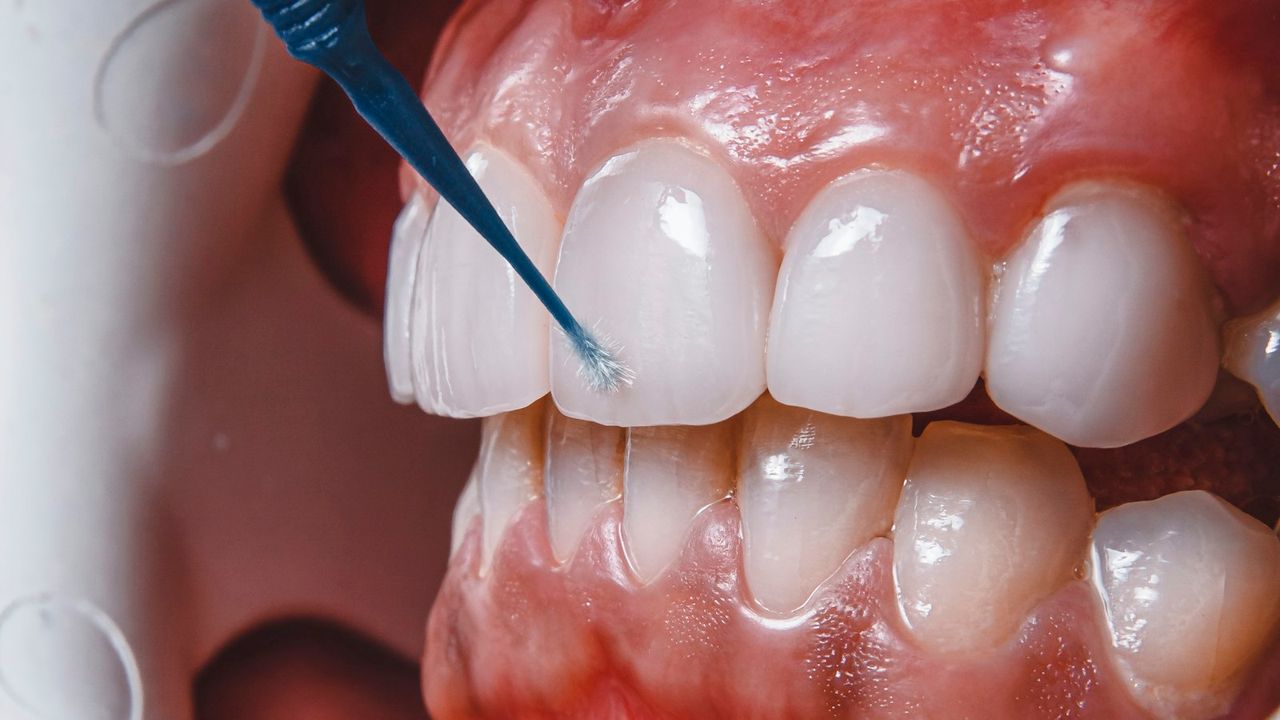
I brush every day and my gums are still inflamed.” This is one of the most common things we hear in the clinic. Gum inflammation causes worry and, in many cases, confusion, especially when a person follows what seems to be a perfectly good oral hygiene routine. At AKDENT – Clínica Dental, we explain why this can happen and which factors really affect the health of your gums.
Inflamed gums: a more common problem than it seems
Gum inflammation, also known as gingivitis in its early stages, is not always linked to obviously poor hygiene. Many people brush daily, but there are less visible factors that can cause redness, bleeding or sensitivity.
Invisible plaque: the silent enemy
Even though brushing removes much of the plaque, there are areas the toothbrush doesn't reach properly, especially between the teeth and near the gum line. Plaque that builds up in these areas can cause inflammation even in people who are consistent with their oral hygiene.
- Uncleaned spaces between the teeth.
- The back areas of the mouth.
- The line where the tooth meets the gum.
For this reason, brushing alone is not always enough.
Incorrect brushing technique
Brushing “a lot” doesn't always mean brushing “well.” An incorrect technique can leave plaque behind or even damage the gums.
- Movements that are too aggressive.
- Not angling the brush toward the gum.
- Quick, unmethodical brushing.
- Forgetting specific areas of the mouth.
Brushing too hard can irritate the gums and make the inflammation worse.
Dental floss: the great forgotten tool
One of the most frequent reasons for inflamed gums in people who brush well is a lack of interdental cleaning. The toothbrush doesn't clean between the teeth, and the plaque that builds up in those areas inflames the gums over time.
- Dental floss.
- Interdental brushes.
- Dental tape in specific cases.
Adding these tools to your daily routine makes a big difference to your gum health.
External factors that influence inflammation
It doesn't all depend on the toothbrush. There are external and general factors that can promote gum inflammation even with good hygiene.
- Stress and anxiety.
- Hormonal changes.
- Pregnancy.
- Certain medications.
- Smoking.
- A weakened immune system.
Bleeding when you brush: should I be worried?
Bleeding is not normal and is usually a clear sign of inflammation. Many people stop brushing that area when they see blood, but this makes the problem worse. The key is to improve your technique and keep cleaning the area gently but consistently.
When inflammation is a warning sign
If the inflammation lasts for weeks, or if you experience pain, constant bad breath or receding gums, it is important to see a dentist. These symptoms may indicate that the problem is progressing.
- Very red or shiny gums.
- Frequent bleeding.
- Persistent bad breath.
- A feeling that your gums are receding.
- Discomfort when chewing.
How we help improve your gum health at AKDENT
At AKDENT – Clínica Dental, we carry out a complete evaluation of your gums and your daily hygiene. Based on that, we advise you on:
- The most suitable brushing technique for you.
- The recommended type of toothbrush and toothpaste.
- The interdental tools you need.
- Whether you need a professional cleaning, if appropriate.
Conclusion: brushing well is important, but it's not the only thing
Inflamed gums can appear even in people who take great care of their hygiene. The key is understanding that gum health depends on several factors and that a small improvement in your routine can make a big difference. At AKDENT, we help you identify the cause and get your gums healthy again.
If you notice inflammation in your gums despite brushing well, book your appointment at AKDENT and let us help you solve it.
Updated: