

Receding Gums: Why They Happen and What You Can Do
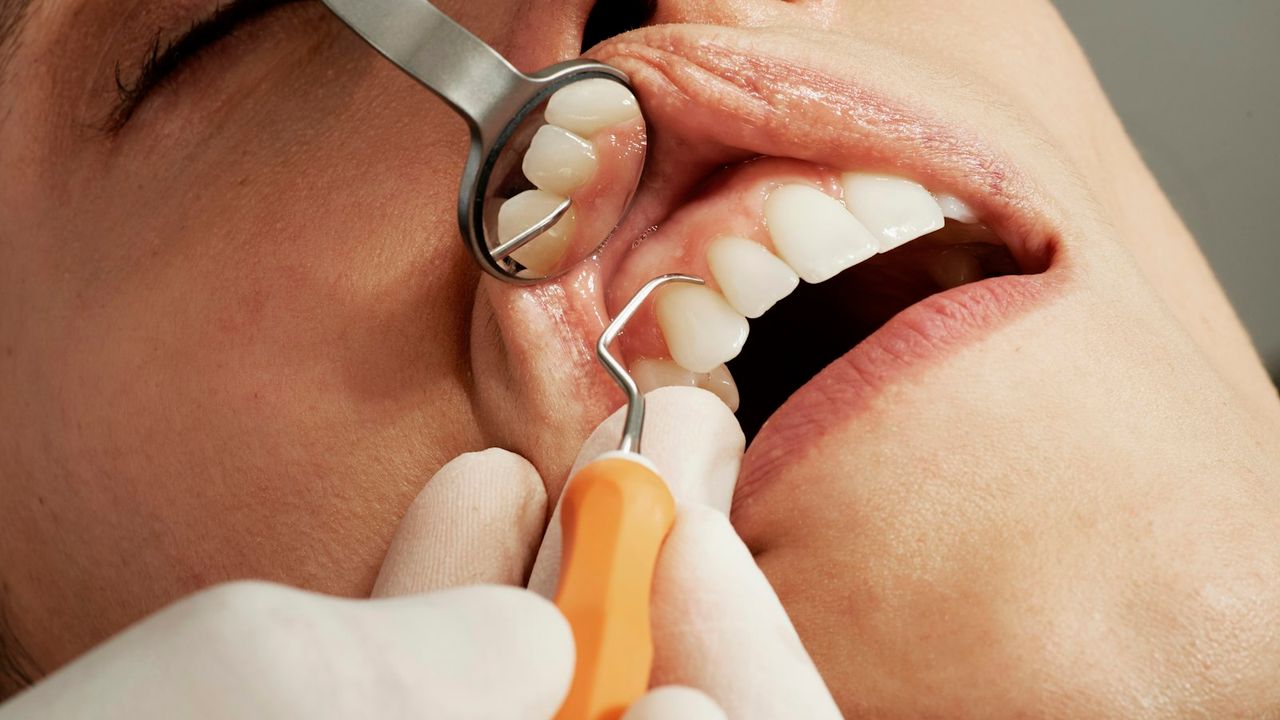
Have you noticed that your teeth look “longer,” that your gums have moved down, or that you feel sensitivity near the gumline? Receding gums (gingival recession) are a very common reason for consultation and can be both a cosmetic and a functional problem. The important thing is not to ignore it, because in some cases the recession progresses and can increase the risk of sensitivity and periodontal problems. At AKDENT – Clínica Dental, we explain why it happens and what you can do.
What are receding gums?
We talk about receding gums when the gum margin moves away from the crown of the tooth (downward on the lower teeth, or upward on the upper jaw), leaving more of the tooth visible and even exposing part of the root. Because the root is not protected by enamel, this area tends to be more sensitive.
Why do gums recede? Common causes
Gingival recession usually doesn't have a single cause. It is often a combination of habits, anatomy and gum health. These are the most common:
1) Aggressive brushing or incorrect technique
Brushing too hard, with horizontal movements and excessive pressure, can gradually “wear away” the gum over time, especially if you use a hard-bristled toothbrush.
- Localized recession on the canines or premolars.
- Sensitivity to cold near the gumline.
- Grooves or wear at the neck of the tooth.
2) Chronic inflammation from plaque (gingivitis/periodontitis)
When plaque builds up, the gums become inflamed. If this continues over time, loss of support and recession can occur. In periodontitis, bone loss can also occur.
- Bleeding when brushing.
- Persistent bad breath.
- Red, swollen or “soft” gums.
3) Bruxism and excessive forces
Clenching or grinding your teeth can cause microtrauma to the teeth and gums. Over time, these forces can contribute to recession, especially if the bite is unbalanced.
- Tooth wear.
- Jaw tension.
- Sensitivity that comes and goes.
4) Anatomy: thin gums or a low attachment
Some people have a thinner gum biotype, which is more prone to receding. The position of the tooth (if it sits more “outward”) and the amount of keratinized gum also play a role.
- Recession without bleeding or obvious inflammation.
- More common on certain specific teeth.
- Can occur even with good hygiene.
Can receding gums be reversed?
It depends on the case. In many situations, the main goal is to stop the progression and reduce symptoms such as sensitivity. Once the root is exposed, the gum does not grow back on its own. However, there are treatments to improve appearance and cover the recession in selected cases.
What you can do at home
If you notice recession, these measures help protect the area and prevent it from getting worse:
- Brush gently and use a soft toothbrush.
- Switch to the correct technique (without aggressive horizontal scrubbing).
- Use toothpaste for sensitive teeth if you need it.
- Avoid “scratching” your gums with toothpicks or other objects.
- If you clench your teeth, see us to assess whether you need a night guard.
When you should see a dentist
We recommend a check-up if:
- The recession is progressing or you notice more and more exposed root.
- You have persistent tooth sensitivity.
- Your gums bleed frequently.
- You notice constant bad breath.
- You are concerned about the appearance (especially on the incisors).
Treatments available at the clinic
Treatment depends on the cause and the degree of recession. At AKDENT, we assess each case to propose the most conservative and effective option:
- Education and brushing technique to prevent it from progressing.
- Cleanings and periodontal treatment if there is inflammation or periodontitis.
- Desensitizing treatment if exposed roots are causing discomfort.
- Occlusal splint (night guard) if you have bruxism.
- Mucogingival surgery (gum graft) in selected cases to cover the root and improve appearance.
How we approach it at AKDENT
At AKDENT – Clínica Dental, we analyze the true cause of the recession, the condition of your gums and your bite. Our goal is to stabilize the problem, relieve sensitivity and, if appropriate, improve the cosmetic appearance with safe, personalized techniques.
- Evaluation of the gums, bleeding and plaque.
- Assessment of gingival biotype and root exposure.
- Review of your bite and bruxism.
- Preventive plan and/or personalized treatment.
Conclusion: the earlier it's detected, the better it can be controlled
Receding gums can result from aggressive brushing, inflammation, bruxism or a thin gum biotype. Although they can't always be “reversed,” they can be stabilized and treated to reduce sensitivity and improve appearance. At AKDENT, we help you prevent it from advancing and choose the best solution for your case.
If you think you have receding gums, book your appointment at AKDENT and we'll assess it with you.
Updated: