

Proper Tooth Brushing: Techniques and Common Mistakes
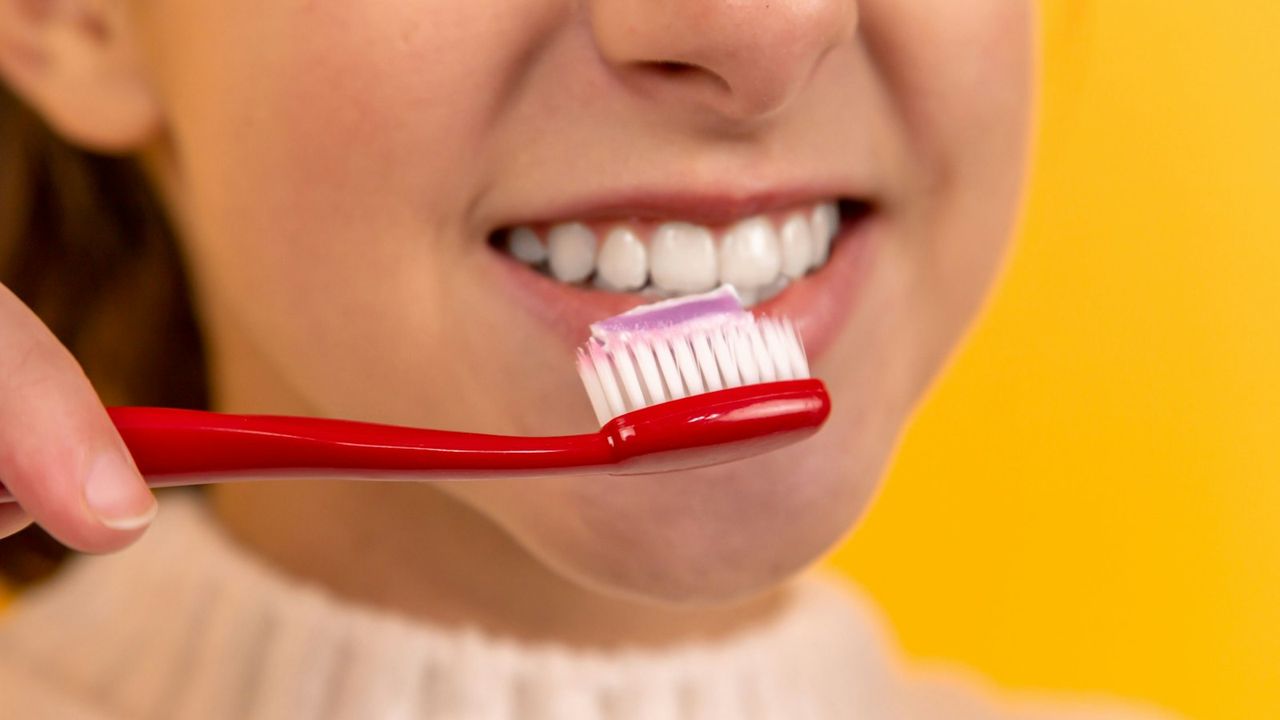
Proper tooth brushing is the foundation for preventing cavities, gingivitis and bad breath. It's not just about moving a brush around: technique, time, pressure, the type of toothbrush and the toothpaste all play a role. At AKDENT – Dental Clinic, we teach you a clear routine, adaptable to every age and situation (orthodontics, implants, sensitivity, dry mouth) so you can have a clean, healthy mouth every day.
Why it matters: plaque, gums and enamel
- Plaque is a biofilm that sticks to the gum line and between the teeth. If it isn't removed daily, it inflames the gums and demineralizes the enamel.
- The goal of brushing is not to “scrub hard,” but to gently disrupt the biofilm and reach all surfaces, especially the gum line.
- Good technique reduces bleeding, sensitivity and bad breath, and extends the life of restorations and implants.
How often, when and for how long?
- Frequency: 2–3 times a day. The nighttime session is the most important.
- Duration: at least 2 minutes (use a timer, music or an app).
- After acids (soft drinks, citrus fruits): wait 30 minutes before brushing so you don't wear down softened enamel.
- Ideally, brush after main meals or at least morning and night.
Toothpaste and fluoride: how much and what type
- Adults: fluoride toothpaste with 1,350–1,500 ppm.
- Children aged 0–3: a “scraping”/smear of fluoride toothpaste (~1,000 ppm). Adult supervision.
- Children aged 3–6: a pea-sized amount (1,000–1,450 ppm). Do not swallow.
- Spitting technique: spit without rinsing, or rinse with a minimal amount of water to keep the fluoride working.
- Sensitivity: desensitizing toothpastes (potassium nitrate, stannous fluoride, arginine) can help.
General rule: the brush head should be small and soft, and it should be replaced every 3 months, or sooner if the bristles are splayed.
Brushing techniques that work
- Modified Bass (adults): place the brush at a 45° angle toward the gum; make short vibrations (10–15) and sweep toward the edge of the tooth. Repeat tooth by tooth on the outer and inner surfaces. On the chewing surfaces, use short scrubbing movements.
- Fones or circular (pediatric starter technique): wide circles covering teeth and gums; simple for young children until they progress to Bass.
- Stillman (delicate gums): position similar to Bass but with gentle sweeping strokes over the gum to massage the tissue.
- Charters (orthodontics/braces): bristles angled toward the edge of the bracket to clean around the appliances; alternate with Bass at the gum line.
- With an electric toothbrush (oscillating-rotating or sonic): rest the brush head on the gum line and let it work for 2–3 seconds per tooth; move slowly without scrubbing back and forth.
Step-by-step route (a real 2 minutes)
- Divide your mouth into 4 quadrants (or 6 sextants). 30 seconds per quadrant.
- Order: outer surfaces → inner surfaces → chewing/biting surfaces.
- Gum line first: plaque “lives” there; aim at 45° and vibrate.
- Inner surfaces of the front teeth: hold the brush vertically and use short movements.
- Clean your tongue or use a tongue scraper to combat bad breath.
Common mistakes (and how to fix them)
- Scrubbing hard with a horizontal motion → Use light pressure, the Bass technique and soft bristles.
- Forgetting the gum line → Angle the brush 45° toward the gum; that's where you need to focus.
- Brushing for less than 2 minutes → Use a timer or a 2-minute song.
- Too much toothpaste → Use a pea-sized amount (adults and children over 3); it foams less and gives you better control.
- Rinsing vigorously at the end → Spit without rinsing, or rinse minimally, to keep the fluoride on your teeth.
- Brushing right after acids → Wait 30 minutes; in the meantime, rinse with water or chew xylitol gum.
- Not replacing your toothbrush → Replace it every 3 months, or sooner if it's splayed.
Brushing education by age
- 0–3 years: clean the gums with gauze or an infant toothbrush. When the first tooth erupts, use 1,000 ppm toothpaste as a smear. Always with adult supervision.
- 3–6 years: circular technique (Fones) + transition to Bass. A pea-sized amount of toothpaste, practice spitting. Small, soft toothbrush.
- 6–12 years: start Bass; use a clock/timer. Introduce interdental brushes/floss where appropriate.
- Teenagers: reinforce nighttime habits, care for braces (Charters + Bass), avoid acidic drinks.
- Adults: choose manual or electric according to preference and dexterity. If you have sensitivity, adjust your toothpaste and pressure.
- Older adults/dry mouth: electric toothbrushes with an ergonomic handle, fluoride toothpastes and formulas for dry mouth; stay hydrated.
- Special needs: thickened handles, adapters, visual routines and gamification (apps, stickers, calendars).
Extras that add value (but don't replace brushing)
- Interdental cleaning: floss or interdental brushes in the size recommended by your dentist. A water flosser as a supplement.
- Tongue scraper: reduces bad breath caused by tongue coating.
- Disclosing tablets: stain plaque so you can learn where to focus.
- Mouthwashes: therapeutic ones only when prescribed (for limited periods). Cosmetic ones don't replace brushing.
30-second checklist before you start
- Do I have a real 2 minutes and a timer?
- Is my toothbrush soft-bristled with a small head?
- Am I using the right amount of toothpaste?
- Do I have a clear order by quadrants and a focus on the gum line?
- Am I going to spit without rinsing at the end?
Warning signs (see your dentist)
- Persistent bleeding when you brush.
- Constant bad breath or a thick tongue coating.
- Receding gums or teeth that are more sensitive to cold.
- Visible plaque that doesn't go away with your routine.
- Small ulcers or sores that don't heal within 10–14 days.
Frequently asked questions (FAQ)
- Does brushing “properly” hurt? No. If it hurts, you are probably pressing too hard or there is inflammation. Have it checked.
- Is a hard toothbrush better for “cleaning more”? No. Use a soft one; clean doesn't mean aggressive.
- Before or after breakfast? If you consume acids, wait 30 minutes; if not, you can brush before or after (we prefer after).
- Is an electric toothbrush mandatory? No. With good technique, a manual brush works very well. An electric one helps standardize your brushing.
- Can I brush with mouthwash instead of toothpaste? No. Fluoride toothpaste is essential; mouthwash doesn't replace brushing.
Your plan at AKDENT: learn, practice, perfect
At AKDENT – Dental Clinic, we review your technique and choose the ideal toothbrush, the right interdental brush size and the appropriate toothpaste. With a mirror demonstration and personalized feedback, within a few weeks you'll notice firmer gums and fresher breath.
Would you like an oral hygiene education session? Book your brushing instruction appointment at AKDENT. You'll leave with a clear, simple and effective routine for life.
Updated: