
Professional Dental Cleaning: Essential for Your Oral Health
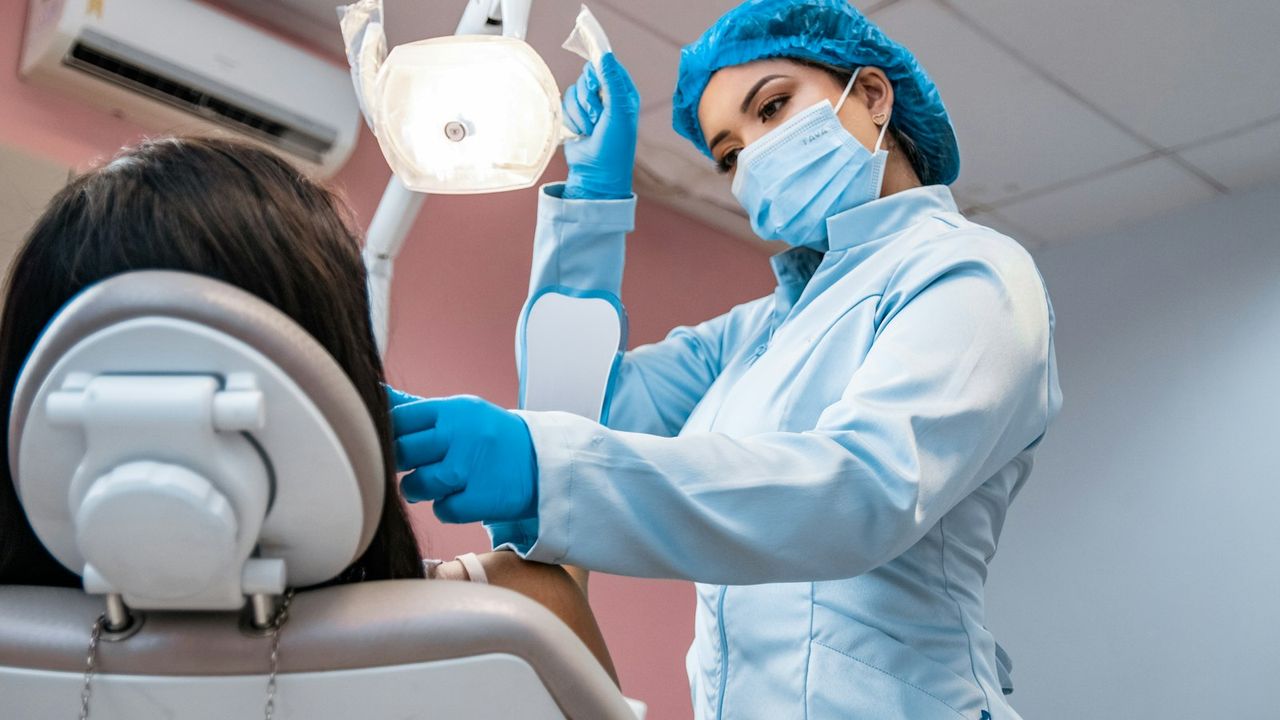
Professional dental cleaning (prophylaxis) is not “just a polish”: it is a clinical procedure that removes plaque and tartar above and, when appropriate, below the gumline, as well as surface stains. Its goal is to prevent gingivitis and periodontitis, reduce the risk of cavities, and keep your gums and bone stable over the long term. At AKDENT – Dental Clinic, we work with protocols based on individual risk and minimally invasive technologies to achieve a clean, healthy and fresh mouth.
Professional cleaning vs. “I brush well”
Even with an excellent routine, it is not possible to remove tartar at home. Plaque that is not removed in time mineralizes and attaches firmly to the tooth and the root. This deposit, together with residual biofilm in hard-to-reach areas (between teeth, behind the molars, under retainers, around implants), keeps inflammation and bad breath going. Professional cleaning reaches where toothbrushes, floss or water flossers cannot.
What does a cleaning at AKDENT include? (step by step)
- Initial assessment: we examine your gums (bleeding, inflammation), plaque, tartar, stains, pockets and areas where plaque tends to be retained. We assess your habits, hygiene and risk factors.
- Ultrasonic scaling: piezoelectric/cavitation tips that loosen supragingival tartar and, if appropriate, superficial subgingival tartar. We use irrigation to cool the area and help with decontamination.
- Air-polishing (jet of air + water + low-abrasive powder): with glycine or erythritol, we remove biofilm from tooth surfaces, grooves and shallow pockets, and around implants. It also removes stains from coffee, tea or tobacco with maximum comfort.
- Selective hand instrumentation: fine curettes to detail areas with residual calculus or complex access (interproximal areas, furcations).
- Polishing and surface smoothing: rubber cups or brushes with fine pastes to reduce roughness and make it harder for new plaque to adhere.
- Fluorides / varnishes if indicated: they strengthen enamel and help control post-treatment sensitivity.
- Personalized instruction: we choose interdental brush sizes, brushing technique (e.g., modified Bass), tongue cleaner, water flosser, splint/appliances and a maintenance plan.
Prophylaxis vs. scaling and root planing (what is the difference?)
Prophylaxis is the professional cleaning for healthy gums or gums with gingivitis: it focuses on supragingival plaque/tartar and superficial subgingival biofilm. Scaling and root planing (SRP) is a periodontal therapy for periodontitis (deep pockets, attachment loss); it requires more extensive subgingival instrumentation by quadrants/sextants and is usually followed by a re-evaluation. During your assessment, we will tell you what you need at each stage.
Technologies and materials: comfortable and effective
- Piezoelectric ultrasonic scalers: fine, precise and more comfortable tips; they help loosen tartar without “scraping hard.”
- Glycine/erythritol powders: sub/supragingival air-polishing with fine grain that respects soft tissue and enamel, ideal for periodontal maintenance and implants.
- Hand finishing instruments: for fine detail and stubborn calculus.
- Varnishes and desensitizers: they relieve sensitivity after clean surfaces are exposed.
How often should I have a cleaning? (depending on your risk)
There is no “one-size-fits-all” frequency. At AKDENT, we determine it based on your individual risk and how your gums respond:
- Low risk (no bleeding, little plaque, non-smoker): every 12 months.
- Moderate risk (some bleeding, crowding, staining habits): every 6 months.
- High risk (history of periodontitis, smoker, diabetes, implants): every 3–4 months as periodontal maintenance.
- Orthodontics or complex prostheses: more frequent visits at the start, depending on biofilm accumulation.
Benefits you will notice right away
- Firmer, less inflamed gums (less bleeding).
- Fresh breath thanks to reduced biofilm and the associated tongue coating.
- Less sensitivity in the medium term by controlling inflammation and polishing surfaces.
- A better response to your daily hygiene and to cosmetic treatments (whitening, veneers).
- Longer-lasting restorations and implants thanks to a lower bacterial load.
Cleaning with implants and appliances: key points
- Implants: we clean with fine powders and compatible tips, distinguishing mucositis (reversible) from peri-implantitis (bone loss). Regular maintenance is essential.
- Orthodontics (braces/aligners): reinforced education and support sessions to control plaque around brackets and attachments.
- Prostheses and splints: disinfection and specific instructions to prevent odors and staining.
Does it hurt? Does it cause sensitivity?
Most patients describe the cleaning as comfortable. If there are sensitive areas, we apply topical or selective local anesthesia. You may experience temporary sensitivity to cold for the first few days because the surface is left very clean; it usually subsides with varnishes, desensitizing pastes and a gentle brushing technique.
Aftercare and your home routine
- First 24–48 hours: avoid very hard or extremely cold foods if you notice sensitivity.
- Hygiene: gentle brushing 2–3 times a day; interdental brushes/floss daily (we will show you the right size and technique).
- Tongue: use a tongue cleaner to control bad breath and biofilm.
- Mouthwashes: only if we prescribe them and for a limited time (alcohol-free if you have a dry mouth).
- Habits: moderate your coffee, tea, wine and tobacco if staining concerns you; drink water frequently.
Common myths
- “Cleaning wears down enamel.” False: the instruments work on plaque and tartar, not on healthy enamel; the polishing is gentle.
- “Bleeding during a cleaning is normal.” No: bleeding indicates inflammation; cleaning reduces it.
- “With a water flosser, I can skip the cleaning.” No: a water flosser is a complement and does not remove calcified tartar.
- “Once a year is enough for everyone.” It depends on your individual risk and the condition of your gums.
Signs that you need a cleaning now
- Bleeding when you brush or use floss/interdental brushes.
- Persistent bad breath and/or a marked tongue coating.
- Red, swollen gums, or teeth that look “longer” due to gum recession.
- Visible stains and a rough feeling when you run your tongue over your teeth.
- Orthodontics/implants without a recent check-up.
Frequently asked questions (FAQ)
- How long does a cleaning take? Between 30 and 60 minutes, depending on the amount of tartar, stains, and whether you need to be shown how to use new tools.
- Can I whiten my teeth right afterward? It is better to clean first and, if everything is stable, plan the whitening from that clean starting point.
- Does cleaning make teeth lighter? It removes stains and biofilm, restoring the natural color; it does not whiten the enamel.
- I am pregnant. Can I have a cleaning? Yes, it is especially helpful for controlling pregnancy gingivitis. We adjust your position and the timing for your comfort.
- I have implants. Is it different? Yes: we use fine powders and compatible tips. Regular maintenance is key to preventing mucositis/peri-implantitis.
Your plan at AKDENT: smart, personalized prevention
At AKDENT – Dental Clinic, we create a hygiene and maintenance plan tailored to you: frequency based on risk, selection of tools and technique, and photographs/indices to measure progress. Our goal is for each cleaning to be easier than the last because your daily routine is working.
Noticing bleeding, stains or bad breath? Book your professional cleaning at AKDENT. One timely session can prevent more complex treatments and keep your smile healthy and fresh all year round.
Updated: