

Periodontics: A Guide to Preventing, Diagnosing and Treating Gum Disease
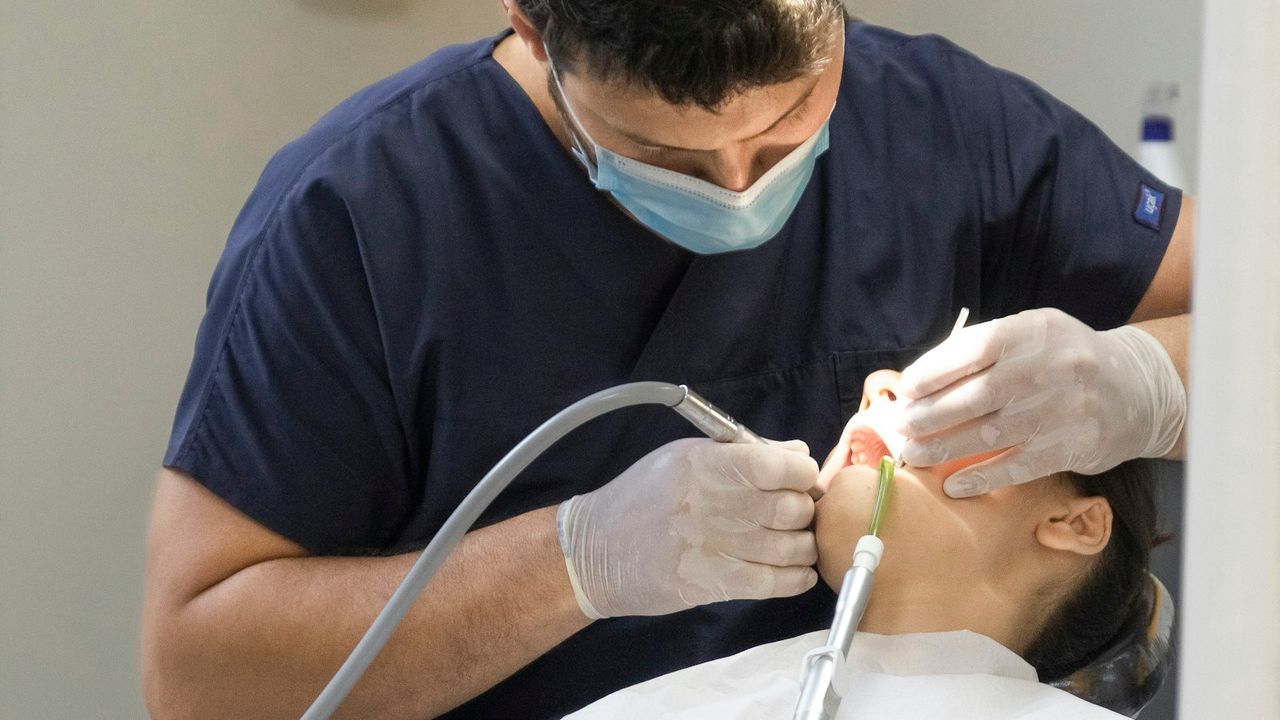
Gum health is the foundation of a stable, long-lasting smile. When the gum tissue and the bone that hold your teeth in place become inflamed or damaged, gingivitis and periodontitis develop. At AKDENT – Dental Clinic, we approach periodontics with phased protocols, minimally invasive technology and a personalized maintenance plan to prevent relapses.
Periodontics: what it is and why it matters
Periodontics is the specialty that prevents, diagnoses and treats diseases of the tissues that support the teeth: the gums, the periodontal ligament and the alveolar bone. When these tissues become inflamed due to the buildup of biofilm (plaque) and tartar, gingivitis (reversible) appears first and, if it progresses, periodontitis (loss of bone support, which is not reversible without treatment). The clinical goal is to eliminate the infection, stop the destruction and maintain long-term stability.
Periodontal anatomy in 60 seconds
- Gum: soft tissue that protects the bone and seals around the tooth.
- Periodontal ligament: microscopic fibers that cushion the tooth and attach the root to the bone.
- Alveolar bone: the bony “cradle” that surrounds and holds the roots.
- Gingival sulcus/pocket: the natural space around the tooth (1–3 mm when healthy). When it becomes infected and deepens, we call it a periodontal pocket.
How the disease develops: from biofilm to bone loss
Bacteria in the biofilm that are not removed by daily hygiene harden into tartar. The immune system reacts, the gums become inflamed and gingivitis appears (red, bleeding gums). If it persists, the inflammation affects the ligament and the bone: this is periodontitis, with deeper pockets, gum recession, tooth mobility and, without treatment, tooth loss.
Warning signs you shouldn’t ignore
- Bleeding when brushing or using floss/interdental brushes (it is not “normal”).
- Swollen, red or painful gums, or with swollen papillae.
- Bad breath (halitosis) or a persistent bad taste.
- Recession (teeth that look “longer”), sensitivity to cold.
- Loose teeth, gaps between teeth or changes in your bite.
- Suppuration (pus) or discomfort when pressing or chewing.
Risk factors that speed up the problem
- Insufficient hygiene or ineffective technique.
- Smoking (reduces visible bleeding but worsens bone destruction).
- Poorly controlled diabetes or other systemic conditions.
- Stress, bruxism, dry mouth (due to medication, sleep apnea, mouth breathing).
- Genetics and a family history of periodontitis.
- Pregnancy and hormonal changes (pregnancy gingivitis).
- Appliances (orthodontics, poorly fitting prostheses) that trap plaque.
Diagnosis at the clinic: what we measure and why
A thorough periodontal diagnosis allows us to plan an effective treatment and measure results.
- Medical history and risk assessment (habits, illnesses, medications).
- Periodontal probing (pocket depth at 6 points per tooth), bleeding on probing (BOP) and plaque/gingival indices.
- Clinical attachment level (loss of support), tooth mobility and furcations.
- X-rays (periapical/panoramic) to see the pattern of bone loss.
- Intraoral photographs and, where appropriate, additional tests.
Severity and speed: how it is classified today
Modern periodontitis is described by stage (extent and complexity) and grade (rate of progression and risk factors). In practice, this tells us how much support has been lost and how fast it is progressing, so we can adjust the intensity of treatment and the frequency of maintenance.
Phased treatment: the AKDENT protocol
Our approach is step-by-step, with clear, measurable goals at each stage. Patients play an active role in controlling biofilm at home; without that cooperation, no treatment is stable in the long term.
- Phase 0 – Motivation and instruction: we review your routine and help you choose a toothbrush (manual or electric), the modified Bass technique, the size of your interdental brushes, the use of floss or superfloss, a water flosser if appropriate and a tongue cleaner. We may prescribe antiseptic mouthwashes for limited periods depending on the case.
- Phase I – Basic therapy: removal of supragingival and subgingival plaque and tartar using ultrasonic scalers, curettes and low-abrasive powders (glycine or erythritol) for subgingival biofilm. We perform scaling and root planing by sextants/quadrants.
- Re-evaluation (4–8 weeks): we re-measure pockets, bleeding and plaque. If the goals have been achieved, we move on to maintenance; if deep pockets or complex areas persist, we recommend Phase II.
- Phase II – Selective periodontal surgery: access to residual pockets, reshaping of defects and, when appropriate, regenerative therapies (bone grafts, membranes, enamel matrix derivatives) to recover part of the lost support. For recession, connective tissue grafts or mucogingival techniques may be recommended. In cases of gummy smile or subgingival cavities, crown lengthening is considered.
- Phase III – Rehabilitation: occlusal adjustment, restorations, prostheses and integration with orthodontics/aesthetics once the disease is under control.
- Phase IV – Periodontal maintenance: supportive periodontal visits every 3–6 months (depending on risk) to control biofilm, reinforce technique and treat relapses early. This is the key to long-term success.
Antiseptics, antibiotics and lasers? What works and what doesn’t
- Antiseptics (e.g., chlorhexidine): useful for short periods and under professional guidance. Prolonged use can stain the teeth or alter taste.
- Systemic antibiotics: not routine. They are reserved for selected cases and always require a prescription.
- Adjuncts (subgingival air polishing, advanced ultrasonics, laser): they can improve comfort and decontamination, always as part of an overall biofilm control plan.
Special cases: how we approach them
- Smokers: higher risk and poorer healing. We recommend shorter maintenance intervals and support to quit smoking.
- Diabetes: periodontal inflammation can worsen blood sugar control and vice versa; we coordinate with your doctor and adjust the frequency of supportive visits.
- Pregnancy: we prioritize non-surgical therapy and hygiene education; we treat pregnancy gingivitis and plan any surgical treatment after delivery if necessary.
- Orthodontics: rigorous biofilm control around brackets/aligners; close coordination with the orthodontist.
- Implants: we distinguish peri-implant mucositis (superficial inflammation) from peri-implantitis (bone loss). Regular supportive care is essential for the longevity of the implant.
Prevention at home: a practical step-by-step routine
- Brush 2–3 times a day (2 minutes) using the modified Bass technique (45º toward the gum, short, gentle movements). Use an electric toothbrush with a small head if you find it more comfortable.
- Daily interdental cleaning: the right interdental brush cleans where a toothbrush can’t reach. We determine the size at the clinic (you may need several sizes). Complement with floss or superfloss around pontics and bridges.
- Water flosser (optional): useful for sensitive gums, orthodontics or hard-to-reach areas, as a complement (it does not replace the above).
- Mouthwashes: only if recommended and for the recommended length of time.
- Habits: cut down on smoking and frequent sugar exposure, and manage stress. Drinking water and eating a diet rich in vegetables supports gum health.
Common mistakes we see in the dental office
- “If it doesn’t bleed, it’s healthy.” False: in smokers, gums may not bleed even when inflamed.
- Using only mouthwash without interdental cleaning: it doesn’t reach the critical area between the teeth.
- Brushing too hard: it doesn’t clean better and promotes recession.
- Stopping maintenance after improving: periodontitis is chronic and requires follow-up.
Quick questions (FAQ)
- Can periodontitis be cured? It can be controlled. We can halt its progression and maintain stability with good hygiene and regular maintenance.
- Is bleeding when brushing normal? No. It is a sign of inflammation; it usually improves with proper technique and treatment.
- My teeth are sensitive after the cleaning. Is that normal? Yes, temporary sensitivity can occur; it usually subsides within days to weeks with desensitizing products.
- Can I have orthodontic treatment if I have periodontitis? Yes, once it is under control and with joint support from the periodontist and the orthodontist.
Your plan at AKDENT: a clear diagnosis and tailored maintenance
At AKDENT – Dental Clinic, we create a phased periodontal plan with measurable goals, photos and clinical parameters before and after treatment. We teach you the technique and choose your interdental brushes so that your results depend not on memory, but on a method. With supportive periodontal check-ups every 3–6 months (depending on risk), we maintain your gum health over the long term.
Have you noticed bleeding, bad breath or receding gums? Request a periodontal assessment at AKDENT: the sooner we act, the simpler and more stable the solution will be.
Updated: