
Mouthwashes: Types, Benefits and When to Really Use Them
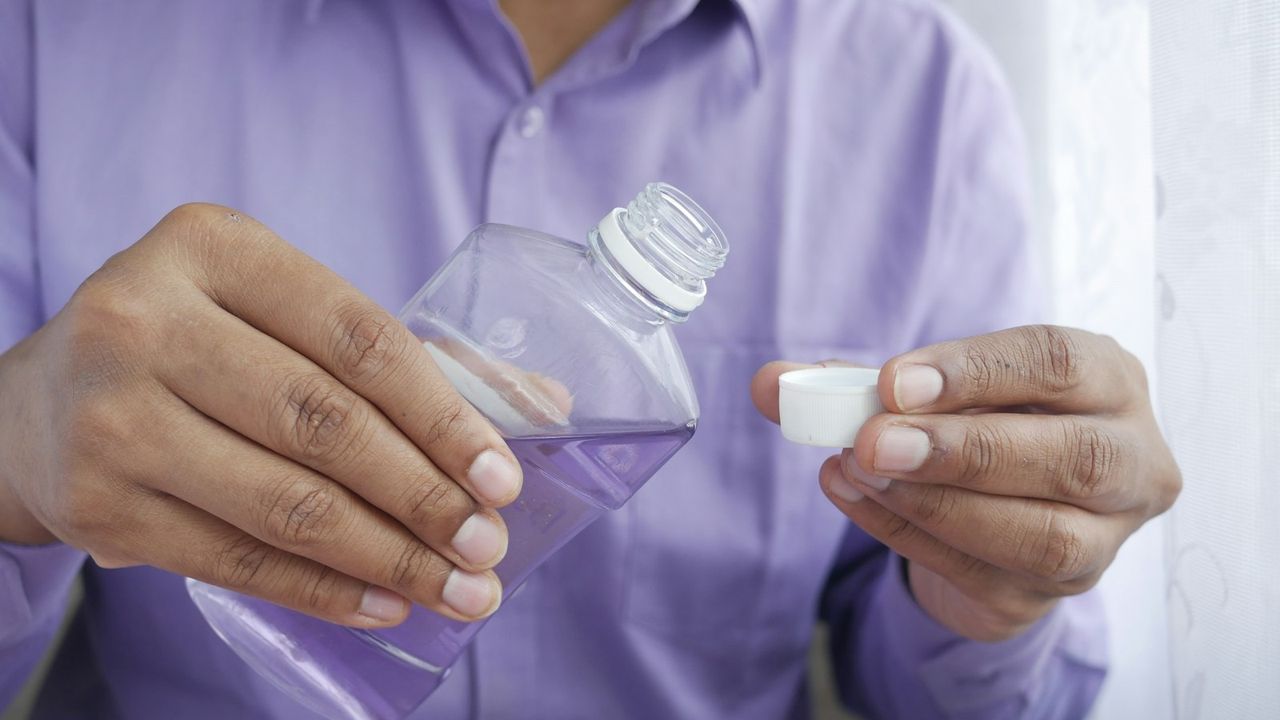
Mouthwashes can be a great ally for your oral hygiene, but they do not replace brushing or interdental cleaning. Choosing the right mouthwash and using it at the right time makes the difference between a useful extra and an unnecessary expense. At AKDENT – Dental Clinic, we explain when it is worth using them, which ones to choose and how to fit them into your routine.
Cosmetic vs. therapeutic mouthwash: they are not the same
- Cosmetic: they temporarily freshen breath and leave a feeling of freshness. They have a limited effect on plaque or gums.
- Therapeutic: they contain active ingredients (e.g., fluoride, chlorhexidine, CPC, essential oils) with a preventive or adjunctive action against cavities, gingivitis or halitosis. Their use should be guided by your dentist and follow the recommended timings.
When is it worth using mouthwash?
- High cavity risk: daily fluoride (0.05%) at a different time from brushing.
- Gingivitis/high biofilm levels: CPC or essential oils as support; chlorhexidine during flare-ups or after surgery, for a limited time.
- Orthodontics (braces): fluoride and antiplaque support for hard-to-reach areas.
- Halitosis: CPC/essential oils; better if they include zinc. Also clean the tongue and between the teeth.
- Xerostomia (dry mouth): alcohol-free mouthwashes with moisturizing agents.
- After surgery: short-term chlorhexidine when indicated by your dentist.
When is it best to avoid it or ask first?
- Children: be careful with fluoride if there is a risk of swallowing; use only under supervision and according to age/instructions.
- Long-term use of chlorhexidine: not recommended (it stains, alters taste and disrupts the microbiota).
- Alcohol in mouthwashes: avoid in cases of mucositis, dry mouth or hypersensitivity.
- Allergies or irritation: stop using it and consult your dentist.
How to use it properly (step by step)
- 1) Brush your teeth (2–3 min) and clean between them. Spit out the toothpaste without rinsing or with a minimal rinse.
- 2) If it is a fluoride mouthwash, to maximize its effect use it at a different time from brushing (for example, at midday or mid-afternoon).
- 3) Usual dose: 10–15 ml. Hold the mouthwash in your mouth for 30–60 seconds, swishing it around all areas.
- 4) Do not swallow it. Spit it out and avoid eating or drinking for 30 minutes.
- 5) With chlorhexidine, follow the prescribed duration (1–2 weeks). Leave 30 minutes between it and toothpastes containing SLS (they cancel its effect).
Side effects and how to prevent them
- Staining of teeth/tongue (chlorhexidine, CPC, stannous compounds) → limited use or professional polishing check-ups.
- Altered taste (chlorhexidine) → usually temporary.
- Irritation or dryness (alcohol, oils) → switch to alcohol-free formulas or different active ingredients.
- Nausea or swallowing in children → avoid, or use only under supervision and according to age.
Myths and facts
- “If I use mouthwash, I can skip brushing.” → False. Mouthwash is a complement, never a substitute.
- “Chlorhexidine cures everything.” → False. It is for flare-ups/short periods, with a diagnosis and instructions.
- “The longer I keep it in my mouth, the better.” → No. Follow the recommended time and do not swallow it.
- “All mouthwashes are the same.” → No. They vary a lot depending on the active ingredient and the goal.
Frequently asked questions (FAQ)
- Should I use mouthwash right after brushing? If it is fluoride, it is better at another time of day. If it is antiplaque, it can be used after brushing (without rinsing vigorously with water).
- How long should I rinse for? 30–60 seconds, as stated on the label.
- Does alcohol-based mouthwash sting? It can sting and dry out the mouth. There are equally effective alcohol-free alternatives.
- Can I use chlorhexidine “just in case”? No. Only when indicated and limited by your dentist.
- Does it work for the tongue? It helps, but it does not replace a tongue cleaner if there is tongue coating.
Your plan at AKDENT: the right mouthwash for you
At AKDENT – Dental Clinic, we assess your cavity risk, gum condition, habits and medication to recommend the right mouthwash (active ingredient, dose, duration) and fit it into a realistic and effective routine. That way, mouthwash adds value instead of getting in the way.
Not sure which mouthwash to choose? Book your hygiene appointment at AKDENT: we will give you a personalized plan so your mouth stays fresh, healthy and protected.
Updated: