

Loose Teeth in Adults: Causes and Solutions
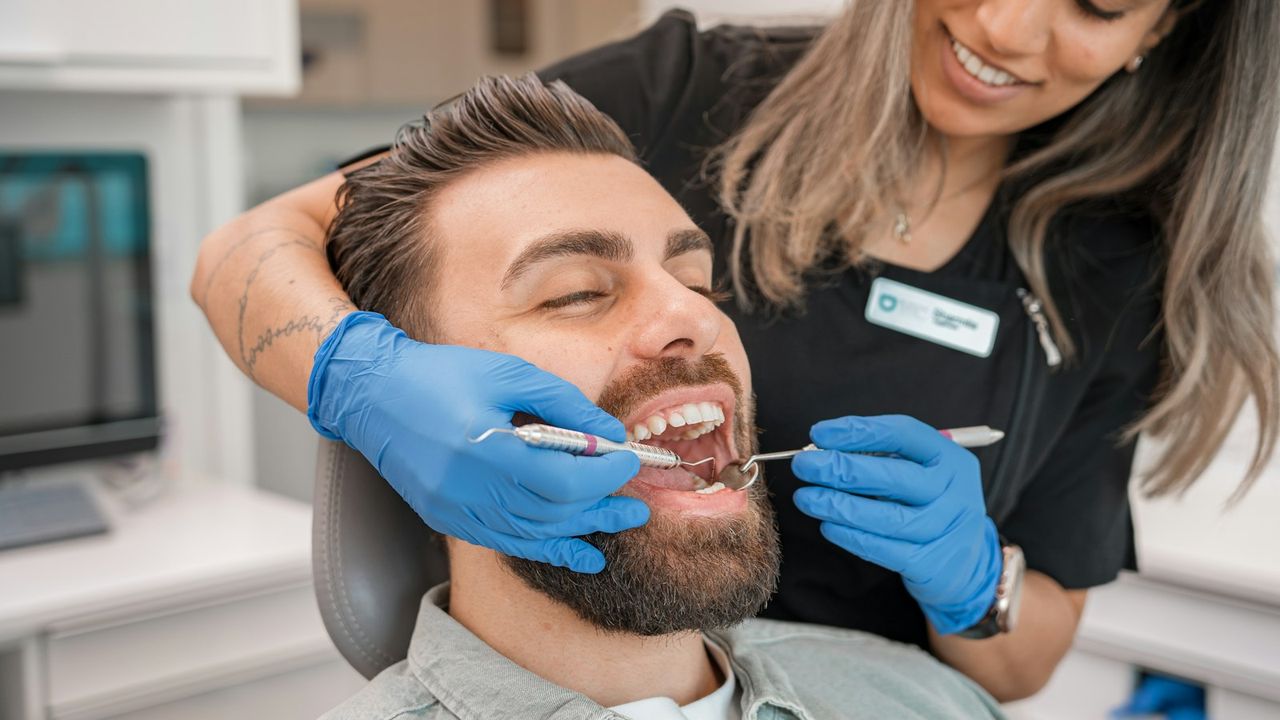
Noticing that a tooth is “moving” in adulthood often causes a lot of alarm. And that's understandable: permanent teeth should stay firmly in place, so any looseness is cause for concern. The key is not to wait, because in many cases acting early can stop the problem from getting worse. At AKDENT – Dental Clinic, we explain why it can happen, when it is urgent, and what solutions are available.
Is it normal for an adult's tooth to move?
Slight movement can occasionally appear (for example, after a blow to the mouth), but in general, in an adult it is not something that should be considered normal. Teeth are held in place by the bone and the periodontal ligament; if either of these supports is affected, looseness can appear.
That is why the most important thing is to identify the cause as soon as possible.
Most common causes of loose teeth in adults
These are the most common causes we see in the clinic:
1) Gum disease (periodontitis)
The most common cause of tooth mobility in adults is periodontitis: a chronic inflammation that destroys the bone and the support of the tooth. Sometimes it doesn't hurt, so it can progress without the person noticing until looseness appears.
- Gums that bleed or are inflamed.
- Persistent bad breath.
- Receding gums (teeth that look “longer”).
- Gaps between teeth that weren't there before.
If it is detected in time, it can be halted and stabilized.
2) Bruxism and overload (clenching or grinding)
Bruxism can generate excessive forces on the teeth, leading to repeated microtrauma and looseness, especially if there is gum inflammation or previous bone loss.
- Jaw pain or facial tension.
- Tooth wear.
- A feeling of pressure in the teeth.
3) Trauma or a blow to the mouth
A blow to the mouth can cause immediate or delayed looseness. Sometimes the tooth doesn't hurt, but the ligament that holds it in place is damaged and looseness can appear days later.
- Looseness after an impact, fall or accident.
- Change in the color of the tooth over time.
- Discomfort when biting.
4) Bite problems or old orthodontic treatment
When the bite distributes forces poorly (due to crowding, premature contacts or changes after orthodontics), some teeth bear more load than they should. Over time, this can lead to looseness.
- A feeling that one tooth “hits” first when you bite.
- Uneven wear.
- Looseness in specific teeth.
What NOT to do if you notice a loose tooth
If a tooth is loose, it is important to avoid actions that could make the problem worse:
- Don't “wiggle” it with your tongue or fingers to check it.
- Avoid chewing hard foods on that side.
- Don't self-medicate with antibiotics.
- Don't ignore it if it lasts more than a few days.
When it is urgent to seek care
We recommend coming in as soon as possible if:
- The looseness appeared suddenly.
- There is pain when biting or significant swelling.
- There has been a recent blow to the mouth.
- You notice pus, a bad taste or significant bleeding.
- The tooth seems to be shifting or “coming out.”
Possible solutions and treatments
Treatment depends on the cause and the degree of looseness. In general, the options include:
- Periodontal treatment to eliminate infection and stabilize the teeth (deep cleanings, maintenance).
- Occlusal splint (night guard) if there is bruxism.
- Bite adjustment if there is overload at a specific point.
- Splinting (joining teeth together) to stabilize them in selected cases.
- Orthodontics if teeth have shifted and the supporting structures allow it.
- Extraction and replacement (implants/prosthetics) if the support is insufficient.
How we assess it at AKDENT
At AKDENT – Dental Clinic, we carry out a complete assessment to identify the true cause and the stability of the tooth: examination of the gums, mobility and occlusion (bite) and, if necessary, X-ray tests.
- Periodontal evaluation (gums and bone).
- Review of the bite and the forces involved.
- Detection of bruxism.
- Personalized plan to stabilize the teeth and prevent relapses.
Conclusion: a loose tooth is a signal to take action
Tooth mobility in adults is usually related to gum disease, bruxism, trauma or bite problems. The key is not to wait: the sooner it is diagnosed, the more options there are to stabilize and save the tooth. At AKDENT, we help you find the cause and the best solution for your case.
If you notice that a tooth is loose, book your appointment at AKDENT and we will assess it with you.
Updated: