

Innovations in Endodontics: Effective and Painless
Endodontics, commonly known as root canal treatment, has seen significant advances in recent years. These advances have made procedures more precise, more effective and, most importantly, less painful for patients. At AKDENT – Dental Clinic, we incorporate these innovations to offer you quality care and a comfortable experience throughout your treatment.
What Is Endodontics?
Endodontics is a dental specialty focused on the diagnosis and treatment of diseases that affect the dental pulp and the surrounding tissues. Root canal treatment is necessary when the pulp becomes inflamed or infected due to deep cavities, trauma or repeated infections. If left untreated, it can cause severe pain or abscesses.
Technological Advances in Endodontics
Technological advances have transformed endodontics, improving precision and reducing patient discomfort. Some of the most notable innovations include:
- Surgical Microscopes: They provide a detailed view of the inside of the tooth, making it easier to locate complex root canals and remove infected tissue with greater precision.
- Rotary and Ultrasonic Instruments: They improve the cleaning and shaping of the canals, shortening the procedure time and increasing the effectiveness of the treatment.
- Electronic Apex Locators: They help determine the exact length of the root canal, avoiding perforations and improving the precision of the seal.
- Bioceramic Materials: They offer superior sealing properties and biocompatibility, promoting tissue regeneration and reducing the risk of reinfection.
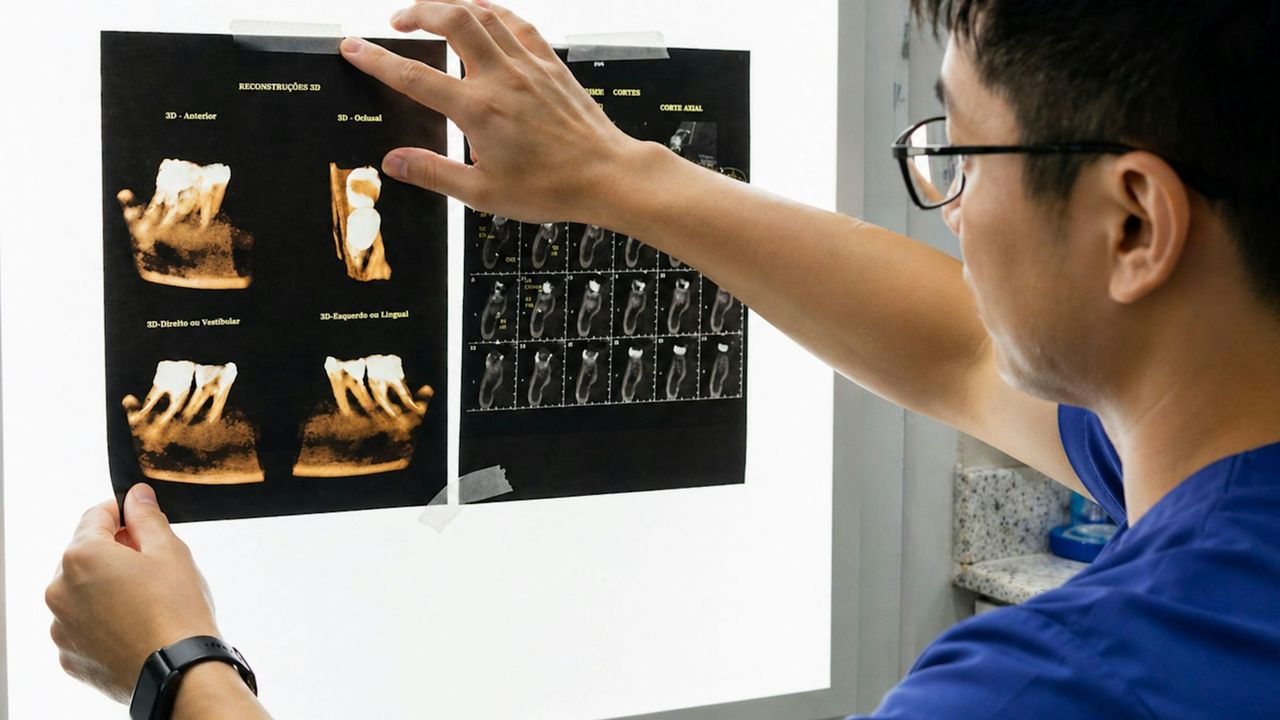
- 3D Imaging and Cone Beam Computed Tomography (CBCT): They provide a three-dimensional view of dental anatomy, allowing for more precise and personalized treatment planning.
Benefits of Innovations in Endodontics
- Faster treatments: Advanced technology allows for more efficient procedures, reducing time in the dental chair.
- Less pain and discomfort: Modern techniques and improved local anesthesia minimize discomfort during and after treatment.
- Higher success rate: Improved precision and the use of high-quality materials increase the likelihood of long-term treatment success.
- Faster recovery: Less invasive procedures and better sealing reduce inflammation and speed up healing.
- Greater tooth preservation: Today's techniques make it possible to save teeth that previously would have required extraction.
What Does the Root Canal Process Involve?
Root canal treatment is usually performed in one or two sessions and follows these steps:
- Evaluation and Diagnosis: X-rays and tests are performed to assess the extent of the damage and plan the treatment.
- Local Anesthesia: It is administered to ensure the procedure is painless.
- Access to the Root Canal: An opening is made in the crown of the tooth to reach the pulp.
- Cleaning and Disinfection: The infected tissue is removed and the root canals are cleaned.
- Sealing of the Canal: The canals are filled with a biocompatible material to prevent future infections.
- Final Restoration: A permanent restoration, such as a crown, is placed to protect the treated tooth.
Post-Treatment Care
- Avoid hard or sticky foods: During the first 24 hours, to allow the seal to settle.
- Follow your dentist's instructions: Regarding medication and specific care.
- Schedule regular check-ups: To make sure the treated tooth stays healthy.
- Maintain good oral hygiene: Brush and floss regularly to prevent infections.
At AKDENT – Dental Clinic, we have a team of endodontic specialists who use the latest technologies to offer you high-quality treatments. If you are experiencing tooth pain or have concerns about the health of your teeth, don't hesitate to contact us. We are here to help you keep a healthy, radiant smile.
Updated: