

Electric vs Manual Toothbrush: Which Is Better for You?
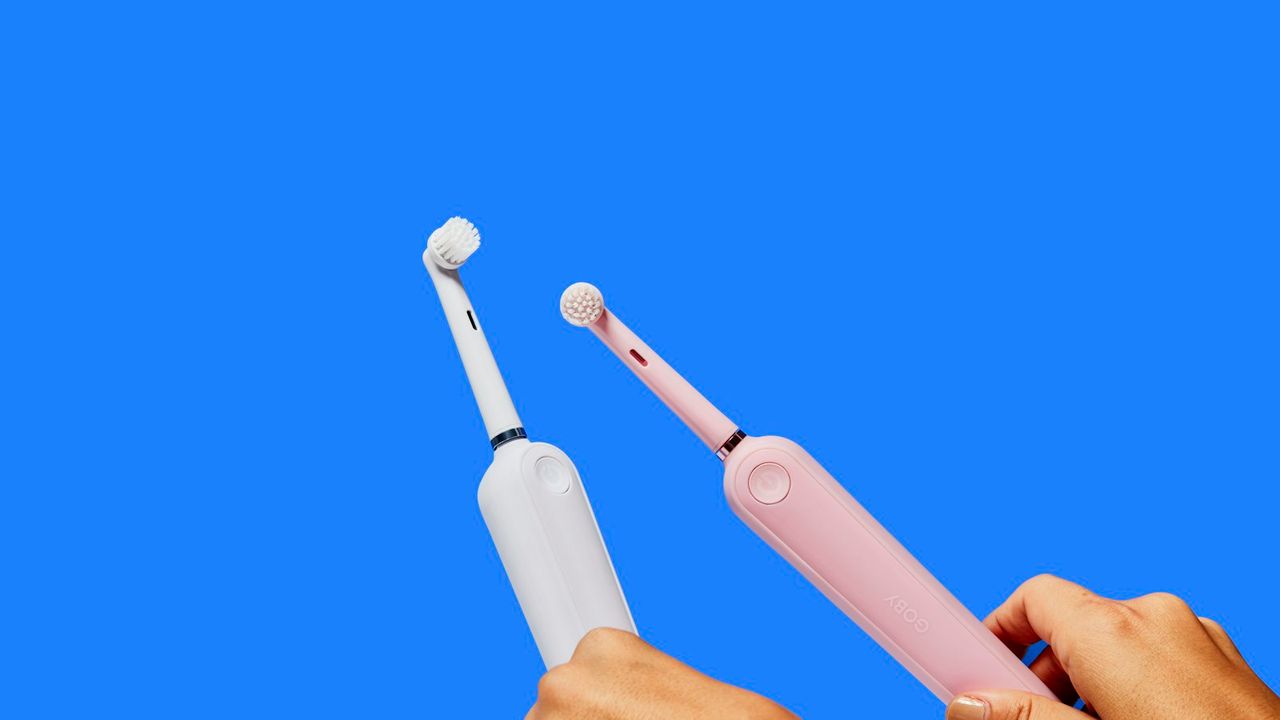
This is a very common question in the dental chair: “is an electric or a manual toothbrush better?” The short answer is: it depends on you. There is no perfect toothbrush for everyone, but there are options that suit you better depending on your age, your current oral hygiene, and whether you wear braces, have sensitive gums or suffer from bruxism (teeth grinding). At AKDENT – Dental Clinic, we help you understand the real differences so you can make an informed choice.
Advantages of the manual toothbrush
- Affordable: ideal as a basic option or for travel.
- Available everywhere: easy to find a replacement.
- Complete control of the movement: if you have good technique, you can achieve excellent results.
- Light and simple: it doesn't depend on batteries or charging.
That said, for a manual toothbrush to be truly effective, you need to:
- Use a soft or extra-soft brush, never a hard one.
- Learn and maintain a correct technique (for example, the modified Bass technique).
- Brush for at least 2 minutes.
- Avoid systematically “forgetting” the same areas (upper molars, the inner surfaces, the tongue side of the lower teeth…).
Advantages of the electric toothbrush
- It's easier to achieve a good clean, especially if your manual technique isn't very precise.
- Automatic movement: you only need to place the brush head in the right spot and let it do the work.
- Timer: many models vibrate or pause every 30 seconds so you know when to move to the next quadrant.
- Pressure sensor: it warns you if you press too hard, protecting your enamel and gums.
- Small brush heads that reach difficult areas well (back molars, around brackets).
- Ideal for people with reduced mobility or limited manual dexterity.
For this reason, it is often highly recommended for:
- Patients with fixed braces.
- People with a history of cavities or poor oral hygiene.
- Children (under supervision) and teenagers.
- Older adults or people with motor difficulties.
- Patients with inflamed gums, to control plaque better without brushing aggressively.
Types of electric toothbrush: rotating or sonic?
- Rotating/oscillating:
- Small, round brush head.
- It spins or oscillates on itself.
- Very effective for “hugging” each tooth one by one.
- Sonic:
- Elongated brush head, similar to a manual brush.
- It makes high-frequency vibrating movements.
- It works through contact + a hydrodynamic effect (movement of the fluid).
In practice, both can work very well if the brush head is suitable and the technique is correct. The choice depends on the type of mouth you have and your preferences (feel, noise, handling).
Typical mistakes with the electric toothbrush (that turn it into an “expensive manual brush”)
- Scrubbing as if it were a manual brush: the brush head should be positioned, not “scrubbed” back and forth.
- Moving too quickly: it's better to hold it for 2–3 seconds on each surface.
- Using a hard or worn brush head that irritates the gums.
- Ignoring the pressure sensor when it lights up or vibrates.
- Forgetting to change the brush head every 3 months, or sooner if it is misshapen.
Common mistakes with the manual toothbrush
- Using horizontal movements, like “scrubbing the floor”.
- Pressing too hard and wearing down the gums and the neck of the teeth.
- Brushing for less than 1 minute in total.
- Always missing the same areas (inner surfaces, back molars).
- Using hard or very old brushes.
Basic electric toothbrush technique: step by step
- 1) Place the brush head on the junction between tooth and gum, at a slight angle.
- 2) Don't scrub: let the brush head do the work, holding it still for 2–3 seconds per tooth/surface.
- 3) Follow a fixed order: for example, upper outer → upper inner → chewing surfaces → lower outer → lower inner → chewing surfaces.
- 4) Brush for the full 2 minutes (ideally 2–3 minutes, following the timer's signals).
- 5) Don't forget the tongue side of the lower incisors (it tends to accumulate a lot of tartar).
What about pressure? Less is more
With both manual and electric toothbrushes, the general rule is: caress, don't scrub. The goal is to break up the bacterial plaque, not to “scrape” the enamel. A good indicator is that the bristles of the brush should not splay out to the sides while you brush.
Frequently asked questions (FAQ)
- Does an electric toothbrush clean better than a manual one? In many cases, yes, because it helps improve technique and brushing time. But a well-used manual brush can also be very effective.
- Is an electric toothbrush recommended for children? It depends on their age and on supervision. It can be a very motivating tool, as long as an adult oversees the brushing.
- Can I use an electric toothbrush with inflamed gums? Yes, it can even help control plaque, as long as you use a soft brush head and the correct technique.
- Is it bad to switch from manual to electric and vice versa? No. What matters is the quality of your brushing and your interdental hygiene.
- With an electric brush, do I no longer need dental floss? You do. No toothbrush (manual or electric) cleans well between the teeth. Floss or interdental brushes are still necessary.
AKDENT's conclusion: it's not just about the toothbrush, but how you use it
The electric toothbrush can be a great help for many patients, and the manual toothbrush remains an excellent tool when the technique is correct. At AKDENT – Dental Clinic, we help you decide which option is best for you based on your specific situation: gum type, whether you have braces, cavity risk, habits and dexterity.
Do you have questions about which toothbrush to choose or how to use it properly? Book your appointment at AKDENT: we will review your oral hygiene, show you the technique step by step and recommend the toothbrush and brush head best suited to your mouth.
Updated: