

Dental Veneers: Types, Benefits, Candidates and Aftercare
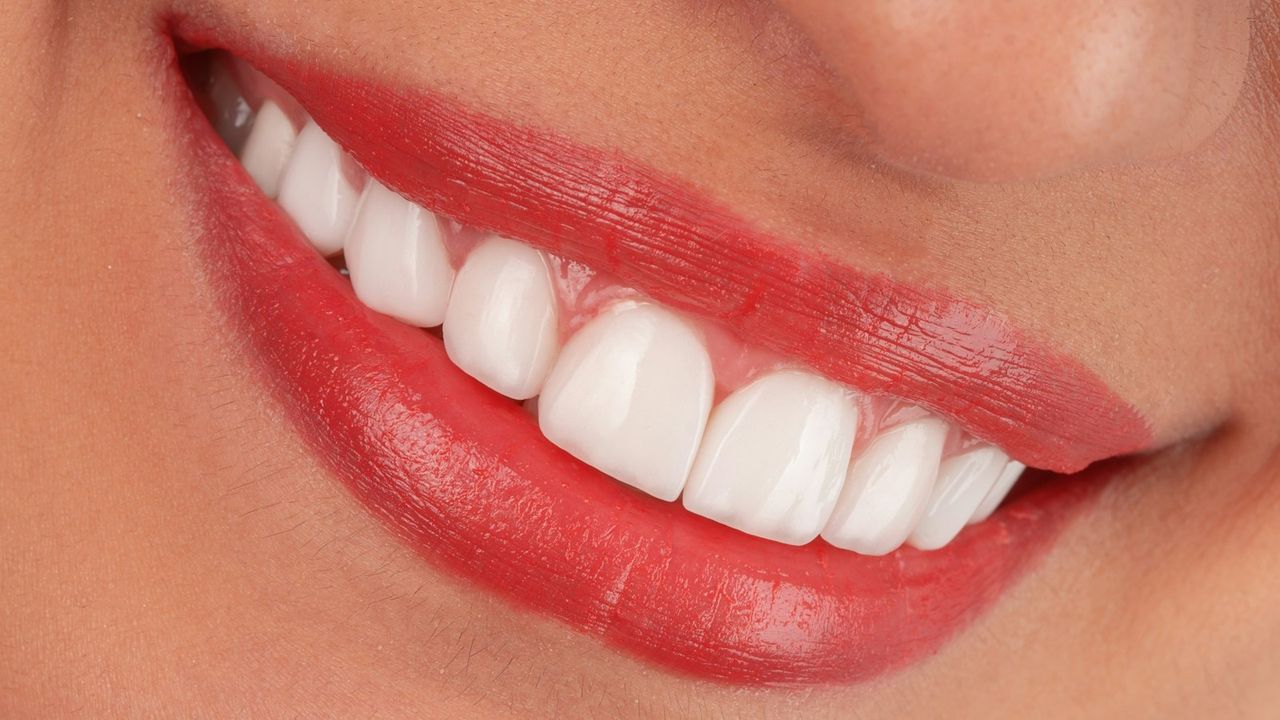
Dental veneers are one of the most versatile and predictable cosmetic dentistry treatments for transforming a smile quickly, with minimal invasiveness and a natural result. They correct color, shape, size and minor misalignments with great long-term stability. At AKDENT – Dental Clinic, we work with modern adhesive protocols, digital planning and a careful selection of materials, aiming for an aesthetic and functional result that lasts.
What exactly are veneers?
They are thin shells that cover the visible surface of the tooth. They can be made of porcelain (highly aesthetic dental ceramic) or composite resin. Their purpose is to improve the proportions of the tooth, harmonize its color and balance the smile line while preserving as much tooth structure as possible.
What problems do they correct?
- Discolorations that resist whitening (tetracycline, fluorosis, stains).
- Fractures and wear on the incisal edges.
- Diastemas (gaps between teeth) and minor rotations.
- Irregular shapes or small teeth (microdontia).
- Asymmetries in length/width and “triangular smiles”.
Types of veneers: which option is right for me?
Not all veneers are the same. The choice depends on your aesthetic goals, habits (e.g., bruxism), the amount of enamel available and your budget. At AKDENT, we advise you case by case:
- Porcelain (ceramic): maximum color stability, excellent translucency and high wear resistance. Ideal for aesthetic zones and noticeable color changes. Their lifespan is usually in the range of 10–15+ years with good care. They can be feldspathic (excellent aesthetics in thin layers) or lithium disilicate (more resistant).
- Composite (composite resin): placed directly in the clinic or made indirectly in a laboratory. They are more affordable and can be repaired without replacing the entire veneer, although they stain and wear down sooner (typical lifespan 4–7 years). Useful for touch-ups, younger patients or as a preliminary phase.
- Ultrathin / “no-prep”: very thin ceramic veneers that, in selected cases, can be bonded with minimal or no preparation. They require favorable alignment and volume; they are not for everyone, but they offer maximum enamel preservation.
Who is a good candidate? When are you not?
- Ideal candidates: healthy gums, good hygiene, realistic expectations, a need to improve the appearance of the front teeth, and enough enamel for bonding.
- Caution or alternatives: uncontrolled bruxism (a night guard will be needed), active cavities, severe misalignment (orthodontics first is better), large fillings or little enamel (may require a crown or a combined treatment plan).
The AKDENT plan step by step: from idea to result
Our protocol combines precise diagnosis, digital design and high-performance bonding. This way we minimize tooth reduction and maximize naturalness:
- 1) Examination and photographs: medical history, X-rays if needed and aesthetic analysis (midline, incisal plane, incisor display, smile).
- 2) Digital Smile Design (DSD) and diagnostic wax-up: simulation of the ideal size/shape and planning of the final volume.
- 3) Mock-up in the mouth: a reversible trial to see and “feel” your future smile. We adjust it until you approve.
- 4) Minimally invasive preparation: if needed, we perform controlled micro-reduction of the enamel (approx. 0.2–0.5 mm), prioritizing the preservation of tooth structure.
- 5) Shade selection and temporaries (if applicable): we select the shade, value and translucency; temporary aesthetic covers if the case requires it.
- 6) Laboratory: handcrafted fabrication of the veneers (layered or pressed ceramic / indirect composite), customized to your facial features.
- 7) Try-in and adhesive bonding: verification of fit, texture and color. Bonding with acid etching, silane (for ceramic) and light-cured or dual-cure adhesive resin.
- 8) Occlusal adjustment and polishing: we harmonize your bite and refine texture and shine for a natural appearance.
- 9) Maintenance: regular check-ups and personalized hygiene protocols.
Results and longevity: what you can expect
With an appropriate maintenance plan, porcelain veneers usually offer color and shape stability for more than a decade; composite veneers require polishing and possible touch-ups in the medium term. The key is to keep your gums healthy and your bite balanced.
Essential aftercare following treatment
- Hygiene: brush two to three times a day (gentle technique), and floss or use interdental brushes daily.
- Habits: avoid biting ice, fingernails or pens, and don’t open packaging with your teeth.
- Foods/habits that stain: coffee, tea, red wine and tobacco especially affect composite. With porcelain, staining is minimal, but take care of the margins.
- A night guard if you grind your teeth or have jaw tension.
- Check-ups and dental cleanings every 6–12 months (or sooner for composite) for polishing and margin checks.
Veneers vs. other solutions: a quick comparison
- Veneers vs. whitening: whitening only lightens the color of the existing enamel; veneers correct color, shape and proportions. If you dream of a very light shade, it is best to whiten first and then match with veneers.
- Veneers vs. orthodontics: orthodontics corrects tooth position. If there is moderate misalignment and we want an overall aesthetic change (shape, size, color), veneers (sometimes after orthodontics) offer the most complete result.
- Veneers vs. crowns: a crown requires more tooth reduction and covers the entire tooth; it is indicated when a lot of tooth structure is missing or there are large restorations. A veneer preserves more structure and is the preferred option for healthy front teeth.
Common mistakes we see in the clinic
- Seeking an “unreal” white without considering skin, lips and eyes: the result looks artificial. At AKDENT, we customize value and translucency for a natural look.
- Skipping the mock-up: it is the phase that prevents surprises; it lets us adjust proportions before fabrication.
- Not wearing a night guard with bruxism: it increases the risk of fractures and debonding.
- Thinking they “need no maintenance”: every aesthetic restoration requires check-ups and polishing.
Frequently asked questions (FAQ)
- Can people tell I have veneers? With good planning and microanatomical textures, the result is indistinguishable from a natural tooth.
- Do veneers damage the tooth? We prioritize bonding to enamel and minimal preparations. The goal is to preserve tooth structure.
- Can they be whitened? No. Veneers do not lighten with whitening treatments. If you want a lighter color, it has to be planned beforehand (prior whitening and shade selection) or the veneers have to be replaced.
- What happens if a veneer breaks? Composite: it can usually be repaired in the clinic. Porcelain: the affected veneer is normally replaced.
- Do they cause sensitivity? There may be temporary sensitivity during the first few days; it usually subsides with desensitizing products and occlusal adjustment.
- How long do they last? It depends on habits and hygiene. In general: porcelain 10–15+ years, composite 4–7 years with regular polishing.
Your smile, your design: personalized planning at AKDENT
At AKDENT – Dental Clinic, we prioritize a natural look: we work with digital design, mock-up trials and state-of-the-art materials so that your veneers fit your face, speech and bite. If you are considering a change, ask for an aesthetic consultation and we will show you how your smile could look before we begin.
Ready to take the step? Schedule your veneer consultation at AKDENT: the better it is planned, the more natural and long-lasting the result.
Updated: