
Dental Prosthetics: Modern Options to Restore Your Smile
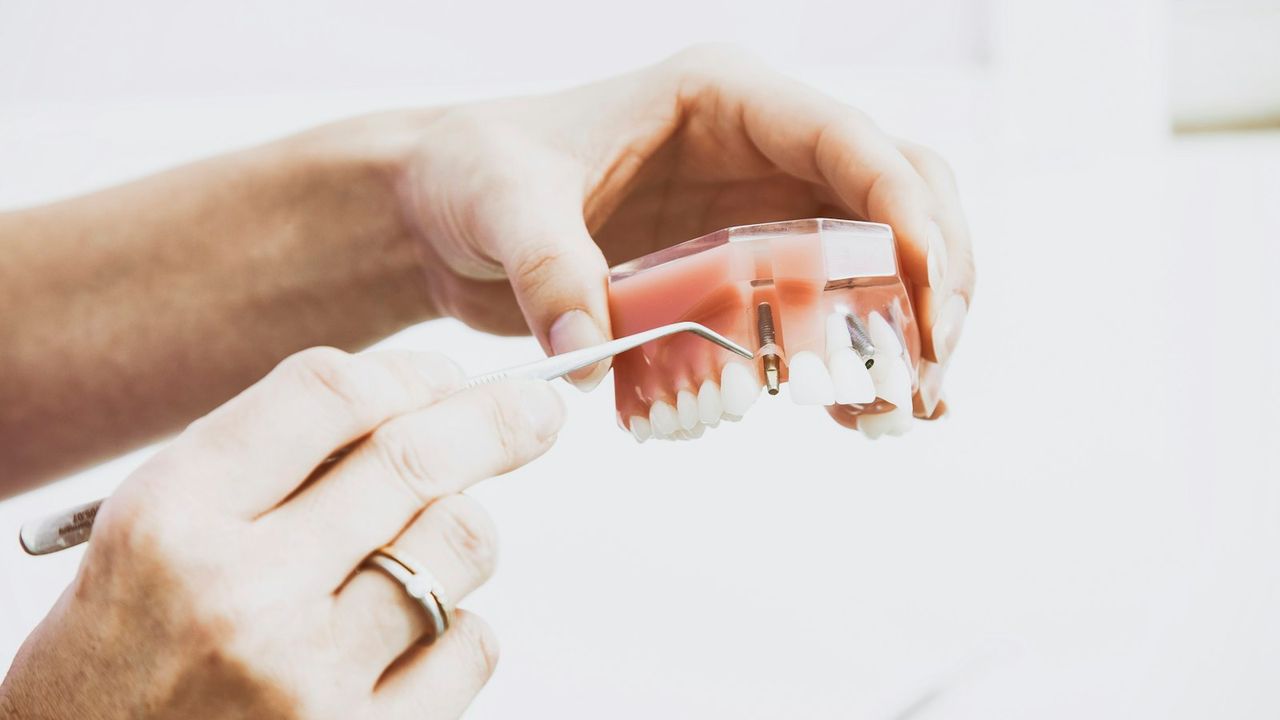
Dental prostheses restore function, aesthetics and comfort when one or more teeth are missing. Today we have fixed, removable and hybrid implant-supported solutions, made with high-strength materials and a digital workflow that shortens treatment times and improves precision. At AKDENT – Dental Clinic, we design a personalized plan that balances gum health, bite, aesthetics and budget.
Fixed, removable or implant-supported prostheses: what's the difference?
- Fixed (not removable): single crowns and bridges supported by teeth or implants. A more natural feel and high stability.
- Removable (take-out): partial (with clasps/attachments) or complete (dentures). They are more affordable and versatile, but require maintenance and an adaptation period.
- Implant-supported: can be fixed (screw-retained/cemented) or overdentures (removable) stabilized with locators or bars. They provide far better retention and chewing ability.
Tooth-supported fixed prostheses: crowns and bridges
- Crowns: “caps” that cover a tooth when it is heavily restored or fractured. Materials: monolithic zirconia (very strong), lithium disilicate (high aesthetics), porcelain-fused-to-metal (classic and reliable).
- Bridges: replace one or more teeth by relying on prepared neighboring teeth. Recommended when the abutment teeth already need crowns or when an implant is not viable.
- Advantages: stability, comfort, aesthetics. Drawback of a bridge: healthy teeth must be reduced if they were not already in need of crowns.
Removable prostheses: partial and complete
- Cobalt-chrome partial dentures: thin metal base, durable, with clasps or aesthetic attachments. A good balance of cost and comfort.
- Flexible prostheses (nylon): comfortable and aesthetic in selected cases; less stable when many teeth are missing.
- Complete dentures (upper/lower): require a good seal and support from the soft tissues. An implant-supported overdenture greatly improves retention, especially in the lower arch.
Implant-supported prostheses: fixed vs. overdenture
- Fixed (screw-retained/cemented): a feel similar to natural teeth. For full arches, all-on-4/6-type protocols depending on the bone. Requires specific hygiene care and regular check-ups.
- Overdentures (removable): they “snap” onto locators or a bar and are removed for cleaning. A major improvement in stability compared with conventional complete dentures.
- Choosing: depends on available bone, habits, hygiene, manual dexterity and aesthetic/functional expectations.
Materials: zirconia, disilicate, resins, porcelain-fused-to-metal?
- Zirconia: very strong, biocompatible; monolithic (stronger) or layered (more aesthetic).
- Lithium disilicate: excellent aesthetics for front teeth or single crowns/short bridges.
- Porcelain-fused-to-metal: the classic standard with a long track record; slightly less translucent.
- CAD/CAM resins and composite: useful as temporaries or in reinforced overdentures.
- PEEK/PEKK: high-performance polymers for lightweight frameworks in selected cases.
Digital workflow: speed and precision
- Intraoral scanner: avoids bulky impressions; captures your bite in great detail.
- CAD design and CAM manufacturing: milling/printing of temporary and final restorations with predictable adjustments.
- Virtual smile previews (in aesthetic cases) and surgical guides for more precise implant placement.
Step by step: what your treatment at AKDENT looks like
- 1) Comprehensive assessment: gums, cavities, occlusion, aesthetics, habits and expectations.
- 2) Plan: options, pros/cons, timing and sequence (e.g., periodontal health first, then the prosthesis).
- 3) Digital records: photos, scanning, aesthetic mock-up if applicable.
- 4) Temporary phase: test shape/function and make adjustments (speech, bite, smile).
- 5) Final prosthesis: framework try-in, aesthetics check and delivery with care instructions.
- 6) Maintenance: regular check-ups and professional cleaning to extend its lifespan.
Maintenance and cleaning: keys to making them last
- Fixed: brush 2–3 times a day + interdental brushes/superfloss under pontics and around abutments/implants. A water flosser as a complement.
- Overdentures: remove after main meals, wash with neutral soap and a dedicated brush. Do not use very hot water or abrasive toothpaste.
- Removable acrylic prostheses: effervescent cleaning tablets 1–2 times a week (depending on the material). Store dry or in water as indicated by your dental technician.
- Check-ups: every 6–12 months (or every 3–4 months for periodontal patients/implants). Adjustment of attachments and relining if the gums change.
Longevity and complications: what to expect
- Crowns/bridges: high survival rate with good design and plaque control. Risks: secondary decay at the margins, debonding, and failures due to bruxism without a night guard.
- Removable prostheses: over time they may need relining due to changes in the bone/gums. Visible clasps can be replaced with attachments if suitable abutment teeth are available.
- Implant-supported: care of the peri-implant gum tissue, monitoring for screw loosening and replacing retainers in locators.
- Bruxism: we recommend a nighttime occlusal splint to protect ceramics and attachments.
Aesthetics and speech: how we achieve a natural result
- Color and translucency: shade selection using shade guides and photos; materials such as disilicate achieve maximum naturalness in the front teeth.
- Shape: proportions, lip support and smile line evaluated with temporaries and a mock-up.
- Speech: fine adjustments (e.g., “s” and “f” sounds) before the final prosthesis, especially with complete/implant-supported prostheses.
Myths and facts
- “You can always tell it's a prosthesis.” False: with good design and today's materials, the result is very natural.
- “A fixed option is always better.” It depends on the bone, hygiene and habits. An overdenture can be ideal in many cases.
- “With a prosthesis I don't need check-ups.” False: maintenance is key to its longevity and to your gum health.
- “I can't have a prosthesis if I grind my teeth.” Not true: you can, but with a reinforced design and a protective night guard.
Frequently asked questions (FAQ)
- Will my removable prosthesis fall out when I talk? With a proper fit and muscle training, no. In a toothless lower jaw, 2 implants greatly stabilize the overdenture.
- Can I sleep with my prosthesis in? It is better to remove it (depending on the case) to rest the tissues and improve hygiene.
- How long do they last? It depends on the material and care. With maintenance, fixed prostheses can last many years; removable ones require periodic adjustments.
- Can I eat everything? Yes, after a gradual adaptation period. Avoid opening packaging with your teeth or biting into bones. With flexible prostheses, be careful with very sticky foods.
- What if I don't have enough bone for implants? We assess bone regeneration, short implants or a strategically supported overdenture plan.
- What about the cost? There are solutions for different budgets. We explain the alternatives and the long-term cost/benefit ratio.
Candidates and relative contraindications
- Good candidates: patients who are committed to good hygiene, have realistic expectations and attend regular check-ups.
- Precautions: uncontrolled periodontitis (treat first), smoking (higher risk with implants), dry mouth (adjust design and care), bruxism (reinforcements and night guard).
Your plan at AKDENT: precision, comfort and aesthetics
At AKDENT – Dental Clinic, we combine comprehensive diagnosis, digital scanning and state-of-the-art materials to create a prosthesis that bites well, is easy to clean and looks natural. We support you through the adaptation period and ongoing maintenance so you can enjoy your smile with confidence.
Would you like to find the best option for your case? Book your prosthetics consultation at AKDENT: we will review your alternatives (fixed, removable or implant-supported) and build a comfortable, predictable plan together with you.
Updated: