Conscious Sedation in Dentistry: Anxiety-Free Treatments
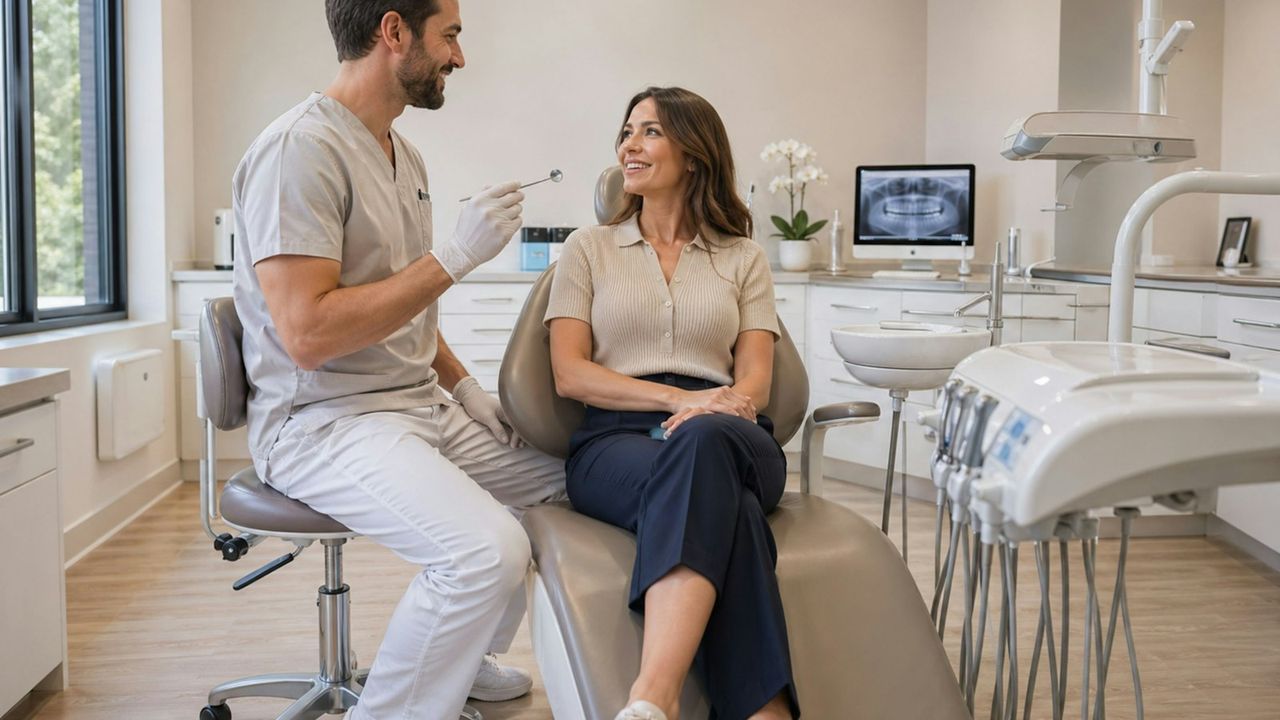
Conscious sedation allows dental treatments to be carried out with maximum comfort and without anxiety. You stay relaxed and cooperative, with your protective reflexes intact (you breathe on your own and respond to simple instructions), while the dentist works with precision. At AKDENT – Clínica Dental we apply strict safety protocols, continuous monitoring and a personalized plan based on your health, your level of anxiety and the procedure to be performed.
Conscious sedation: what it is (and what it is not)
Conscious sedation does not replace local anesthesia: it complements it. Local anesthesia blocks pain in the area being treated; sedation reduces anxiety, fear, the urge to gag (gag reflex) and your perception of time. It is not general anesthesia: it does not put you completely to sleep or require intubation; you keep breathing on your own and can communicate.
Who is it recommended for?
- Anxiety/dental phobia or previous negative experiences.
- A gag reflex that makes treatment difficult.
- Long or complex procedures (multiple implants, surgery, periodontal treatment).
- The need to complete a lot of treatment in just a few appointments.
- Patients with special needs or high sensitivity.
- Pediatric dentistry in selected cases (depending on age, cooperation and the extent of treatment).
Types of sedation at AKDENT
We choose the type of sedation based on your medical profile, the expected duration and the level of comfort you want to achieve.
- Inhalation sedation with nitrous oxide (N2O): a mixture of nitrous oxide and oxygen breathed in through a nasal mask. It produces relaxation, a sense of well-being and a mild pain-relieving effect. It starts working and wears off quickly; after a few minutes of pure oxygen, most patients are fit to resume light activities. Ideal for adults and children with mild to moderate anxiety or a gag reflex.
- Oral sedation: anti-anxiety medication taken by mouth under professional prescription and supervision. It provides relaxation and sometimes partial amnesia of the procedure. It is taken 30–60 minutes before treatment. You will need an escort, and you should avoid driving or signing documents for the rest of the day.
- Intravenous (IV) sedation: sedative drugs given through a vein, with continuous monitoring and fine adjustment of the depth of sedation. It offers a high level of anxiety control while keeping you conscious. Recommended for longer procedures or very anxious patients. You must come accompanied and follow fasting instructions.
Note: general anesthesia is reserved for hospital settings and very specific cases. In a regular dental clinic, we prioritize conscious sedation because of its high safety profile and faster recovery.
Safety: how we take care of you during sedation
- Pre-treatment assessment: medical history, allergies, medication, previous experience with sedation, habits and risk assessment (general functional classification). If appropriate, letters from your doctor.
- Informed consent: we answer your questions and explain the benefits, risks and alternatives.
- Monitoring: we track your heart rate, oxygen saturation, blood pressure and level of consciousness throughout the entire procedure. Emergency equipment is available, and our staff are trained in basic life support.
- Controlled recovery: a period of observation in the treatment room until you meet the discharge criteria. We give written instructions to both the patient and their escort.
Before your appointment: practical preparation
- Fasting (for oral or IV sedation): as a general guide, 6 hours without solid food and 2 hours for clear liquids (this may vary depending on your case; we will follow the guidelines given by your dental professional).
- Medication: do not change anything on your own. We will tell you exactly what to take on the day of your appointment.
- Escort and transport: essential for oral and IV sedation. It is best to avoid driving that day.
- Wear comfortable clothing and no bulky jewelry. If you wear contact lenses, consider removing them for the procedure.
- Avoid alcohol and other sedative substances for 24 hours beforehand.
During the procedure: what you will feel
- A sense of calm and “disconnection” from your surroundings.
- Time usually seems to pass more quickly.
- With nitrous oxide, you may notice a tingling or a slight feeling of warmth.
- You will still be able to speak and cooperate if we ask you to.
Afterwards: recovery and care at home
- Discharge once you meet the criteria (we check your vital signs and alertness).
- Do not drive or carry out risky tasks for the rest of the day if you received oral or IV sedation. With nitrous oxide, wait until you feel completely recovered and follow our instructions.
- Stay hydrated and eat a soft diet if you had surgical treatment.
- Take the medication prescribed by your dentist and avoid self-medicating.
- We will give you a contact phone number and a follow-up appointment if needed.
Procedures that benefit the most
- Implant dentistry (one or several implants in the same session).
- Periodontal surgery and grafts.
- Complex or multiple extractions.
- Multiple root canal treatments or lengthy retreatments.
- Extensive cosmetic restorations or multiple tooth preparations.
- Pediatric dentistry in selected cases.
Contraindications and precautions
- Uncontrolled systemic diseases (individual assessment and coordination with your doctor).
- Significant respiratory disorders, sleep apnea or marked nasal obstruction (especially for nitrous oxide).
- Pregnancy: assessed on a case-by-case basis; we avoid elective sedation, especially in the first trimester.
- Recent consumption of alcohol or other sedatives.
- Allergies, drug interactions or a history of adverse reactions to sedatives (these are reviewed in your medical history).
Myths and facts
- “Sedation knocks me out.” False: with conscious sedation, you keep breathing on your own and responding.
- “With sedation, I don’t need local anesthesia.” False: sedation reduces anxiety; local anesthesia prevents pain.
- “Recovery is slow.” It depends: with nitrous oxide it is quick; with oral/IV sedation we recommend resting for the remainder of the day.
- “It’s only for surgery.” Not true: it is also used for complex cleanings, root canals or long treatments in anxious patients.
Frequently asked questions (FAQ)
- Will I be asleep? You will be relaxed, but conscious and cooperative.
- Will I feel pain? No: we use local anesthesia to eliminate pain and sedation to reduce anxiety.
- Can I go home on my own? After oral or IV sedation, no. With nitrous oxide, we will advise you based on your recovery.
- How long does the effect last? Nitrous oxide: a few minutes after it is stopped; oral/IV: you may feel drowsy for the rest of the day.
- Is it safe? Yes, with a prior assessment, monitoring and trained professionals. Safety is our priority.
Your experience at AKDENT: calm, control and results
At AKDENT – Clínica Dental we design a tailor-made sedation plan so that you can receive your treatments without fear or stress. If anxiety has held you back until now, we can help you with safe protocols, up-to-date technology and a team that supports you every step of the way.
Would you like to know if you are a candidate for sedation? Request a sedation assessment at AKDENT. The sooner you regain your peace of mind, the sooner you will regain your oral health.
Updated: