
Can Tooth Enamel Regenerate? Myths and Facts
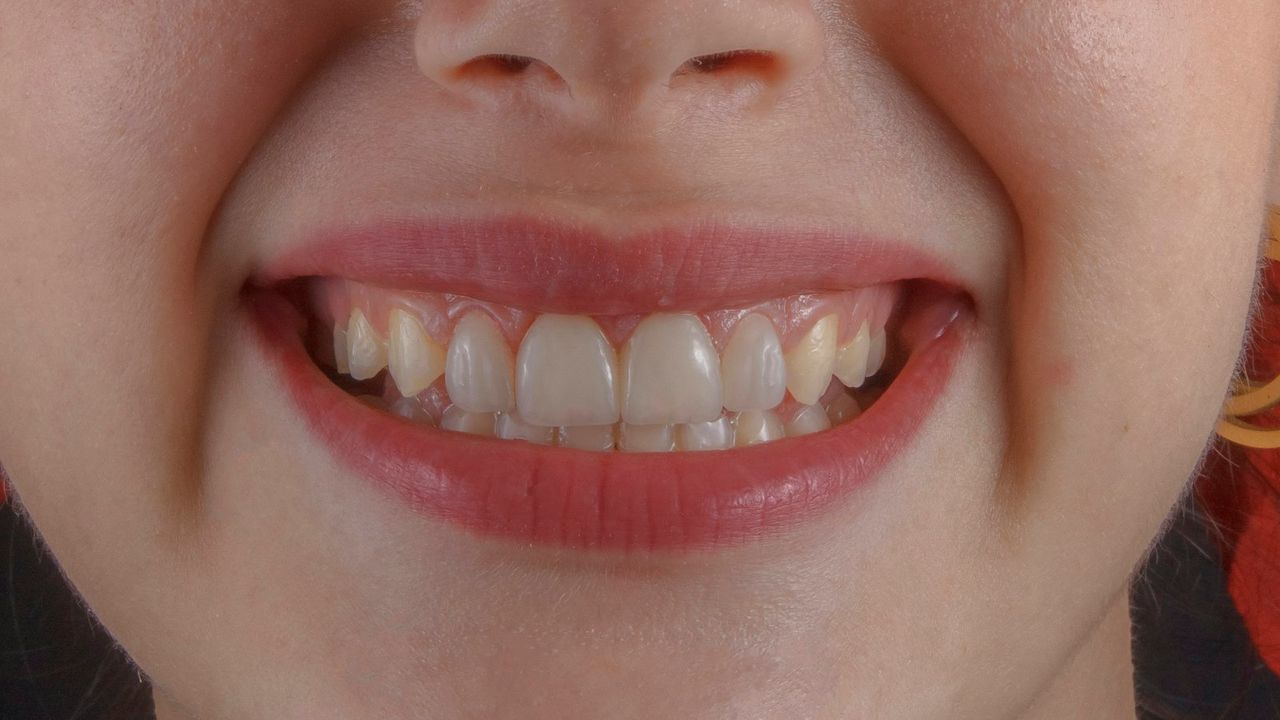
“My enamel is worn down. Can it be restored?” This is a very common question in the dental chair. Many people hear about products that “repair” or “regenerate” tooth enamel, and it isn’t always clear how true that really is. At AKDENT – Clínica Dental, we explain what enamel really is, whether it can regenerate, and what you can do to protect it before the damage gets worse.
Tooth enamel: the protective layer of your teeth
Enamel is the outermost layer of the tooth and acts as a protective barrier against wear, temperature changes and acids. Although it is the hardest tissue in the human body, it is not indestructible. Over time, it can weaken or wear away if it is constantly exposed to certain factors.
When enamel wears down, the tooth becomes more vulnerable to sensitivity, erosion and other dental problems.
Does tooth enamel regenerate naturally?
The short answer is no: tooth enamel does not regenerate the way other tissues in the body do. Once a significant amount has been lost, the body cannot produce it again on its own. This is because enamel has no living cells capable of fully repairing it.
However, this doesn’t mean nothing can be done. In the early stages, it is possible to encourage remineralization of the tooth surface and help keep the tooth better protected.
Regenerating is not the same as remineralizing
This is where the confusion usually arises. Many products promise to “regenerate” enamel, when in reality what they can do is help remineralize certain weakened areas on the surface. In other words, they supply minerals such as calcium and phosphate to strengthen the outer layer in the very early stages.
This can help slow down the progression of wear, but it cannot rebuild enamel that has already been lost in depth.
What can damage tooth enamel day to day
Enamel can be affected by everyday habits that often go unnoticed. The problem rarely appears overnight; it develops gradually.
- Frequent consumption of acidic drinks and foods.
- Soft drinks, citrus juices and energy drinks.
- Bruxism (teeth grinding) or clenching.
- Aggressive or overly forceful brushing.
- Acid reflux.
- Frequent vomiting or repeated exposure to acids.
Over time, these factors can weaken the tooth surface and increase sensitivity.
Signs that your enamel may be weakening
Enamel wear isn’t always visible to the naked eye at first, but it often gives some clues. Paying attention to these signs can help you act before the problem progresses.
- Sensitivity to cold, heat or sweet foods.
- Teeth that look more yellow.
- Thinner or more translucent tooth edges.
- A rougher or more uneven tooth surface.
- A greater tendency toward small fractures or chipping.
If you notice any of these changes, it is important to have a professional evaluation.
What you can do to protect and strengthen your enamel
Although enamel cannot fully regenerate, there are measures that help protect it, strengthen it and reduce the risk of further deterioration.
- Use a suitable toothpaste recommended by your dentist.
- Reduce how often you consume acidic foods and drinks.
- Avoid brushing right after eating or drinking something acidic.
- Brush gently and with the correct technique.
- Manage bruxism if you have it.
- Attend regular check-ups.
These measures can make a big difference, especially when wear is detected early.
What if the enamel is already badly damaged?
When enamel loss is already significant, everyday products are not enough. In these cases, the dentist can consider different solutions to protect the tooth, reduce sensitivity and restore the damaged structure.
The best option will depend on each case, the degree of wear and the cause behind it.
Common myths about tooth enamel
There are many misconceptions about this topic. Clearing them up helps you make better decisions to look after your teeth.
- “If enamel wears away, it grows back.”
- “Any toothpaste can regenerate it.”
- “Sensitivity always means a cavity.”
- “If it doesn’t hurt, nothing is wrong.”
The reality is that enamel needs prevention, monitoring and constant care, not miracle solutions.
How we help you care for your tooth enamel at AKDENT
At AKDENT – Clínica Dental, we assess the condition of your enamel, detect signs of erosion or wear, and advise you on how to protect your teeth according to your case. Not all sensitivity or wear has the same cause, which is why it is important to personalize treatment.
- Complete check-up of your dental health.
- Detection of wear, erosion or microfractures.
- Personalized advice on hygiene and diet.
- Assessment of bruxism and other risk factors.
- Protective treatments if needed.
Conclusion: enamel doesn’t regenerate, but it can be protected in time
Tooth enamel does not grow back once a significant amount has been lost, but it is possible to strengthen its surface in the early stages and prevent wear from progressing. Understanding the difference between regenerating and remineralizing is key to taking better care of your teeth and not falling for false promises. Prevention remains the best tool for maintaining a healthy, strong smile.
If you notice sensitivity, wear or changes in your teeth, book your appointment at AKDENT and we will help you protect your enamel before the problem gets worse.
Updated: