

Bruxism: Symptoms, Causes and the Best Treatments
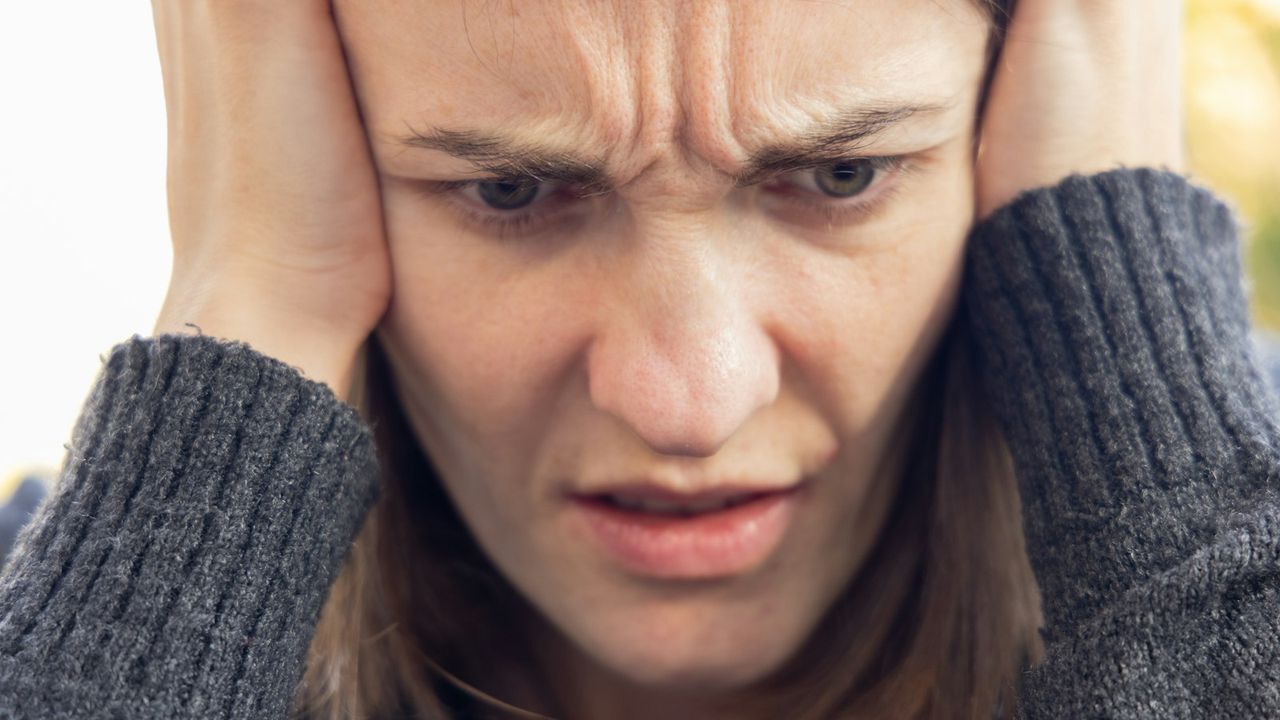
Bruxism is a common condition involving the involuntary habit of clenching or grinding your teeth, usually at night, although it can also happen during the day. This condition can cause jaw pain, tooth wear and other problems that affect the patient's quality of life. At AKDENT – Dental Clinic, we offer a comprehensive approach to diagnosing and treating bruxism, combining a range of therapies to achieve the best results.
What Is Bruxism?
Bruxism is characterized by excessive clenching or grinding of the teeth, which can lead to tooth wear, sensitivity, muscle pain and problems in the temporomandibular joint (TMJ). It can be conscious or unconscious and affects both children and adults.
Common Symptoms of Bruxism
- Pain or tension in the jaw, neck or head.
- Visible wear or fractures in the teeth.
- Tooth pain or increased sensitivity.
- Frequent headaches.
- Teeth-grinding noises during the night.
- Difficulty opening or closing the mouth.
Causes of Bruxism: Emotional and Physical
- Stress and anxiety: These are very common emotional factors that trigger bruxism.
- Dental misalignment: Bite problems that cause abnormal contact between the teeth.
- Sleep disorders: Sleep apnea and other problems that disrupt rest.
- Physical factors: Jaw injuries or neurological diseases.
- Habits and lifestyle: Excessive consumption of caffeine, alcohol or tobacco.
Available Treatments for Bruxism
- Occlusal splints (night guards): Custom-made devices that prevent tooth wear and relax the muscles.
- Physiotherapy: Techniques to relieve muscle tension and improve jaw function.
- Botox therapy: Injections that reduce muscle strength and relieve pain in severe cases.
- Psychological therapies: Stress and anxiety management through relaxation techniques or cognitive behavioral therapy.
- Habit modification: Changing behavior patterns that contribute to bruxism.
Prevention and Stress Management
Stress management is essential for preventing and controlling bruxism. Some recommendations include:
- Regular practice of relaxation and breathing exercises.
- Consistent physical activity to release tension.
- Healthy sleep and rest routines.
- Avoiding excessive consumption of stimulants such as caffeine and tobacco.
- Consulting a mental health professional if anxiety is high.
At AKDENT – Dental Clinic, we carry out a personalized diagnosis and offer comprehensive treatments to help you control bruxism and improve your quality of life.
Updated: