

Bleeding Gums When Flossing: Is It Normal?
Bleeding Gums When Flossing: Is It Normal?
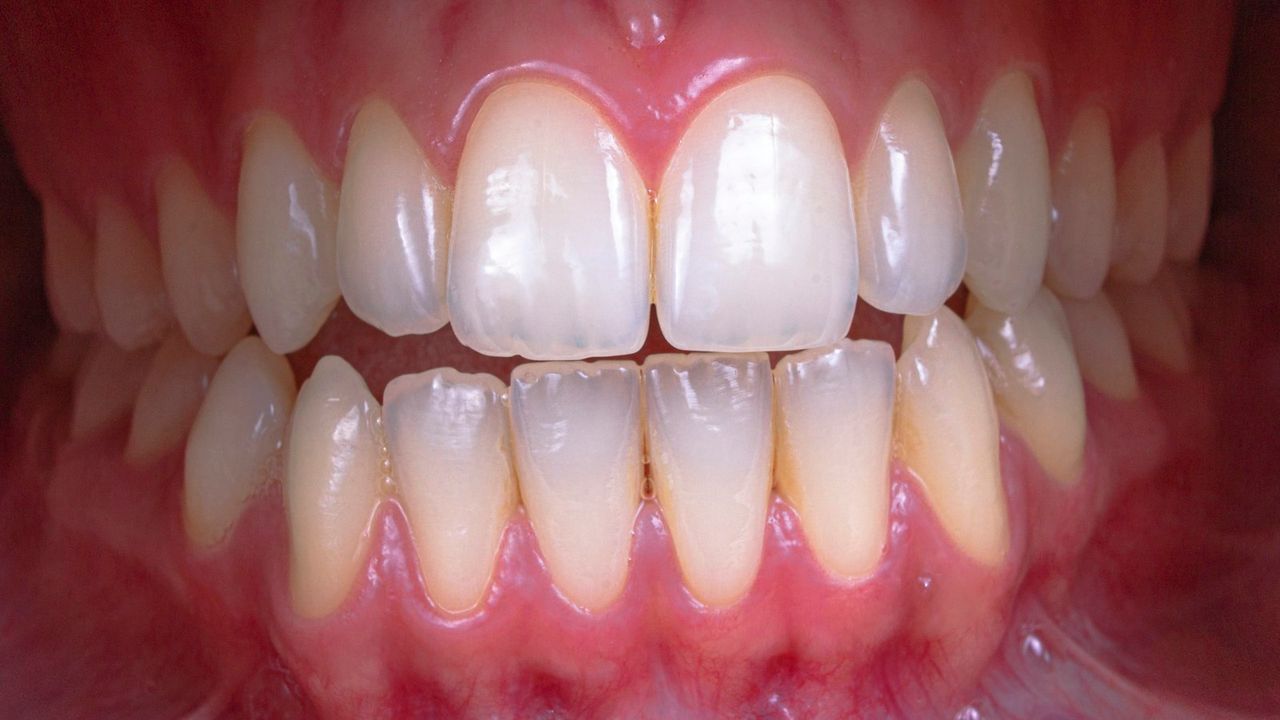
“I brush well, but when I floss my gums bleed.” This is a very common concern and, in fact, it's one of the reasons many people stop flossing altogether. But here's the important part: bleeding is not normal, even though it is common, and it is usually a sign of inflammation or incorrect technique. At AKDENT – Clínica Dental, we explain why it can happen and how to floss without damaging your gums.
Why do gums bleed when you floss?
In most cases, bleeding appears because the gums are inflamed. This usually happens when plaque has built up between the teeth (an area your toothbrush doesn't reach well). When you pass the floss through, that inflammation is “triggered” and bleeding appears.
It can also happen if the floss is used with too much force or too abruptly.
Common situations (and what they mean)
1) It only bleeds during the first few days
If you have never flossed (or you floss very rarely), it's common for your gums to bleed during the first few days. This usually points to mild gingivitis caused by built-up plaque. Typically, if you floss correctly every day, the bleeding decreases within 5–10 days.
- Mild bleeding when flossing.
- Slightly inflamed or sensitive gums.
- Gradual improvement with consistent use.
2) It always bleeds in the same spot
When bleeding keeps happening in the same area, there is usually trapped plaque, tartar, or more inflamed gum tissue at that spot. A poorly fitting restoration or crowded teeth can also play a part, making cleaning more difficult.
- Bleeding localized between two specific teeth.
- Possible persistent inflammation.
- It should be checked if it doesn't improve.
3) Heavy bleeding or bleeding with pain
If the bleeding is heavy, there is intense pain, or your gums are very red and swollen, it shouldn't be dismissed as normal. It may indicate a more advanced problem or an overly aggressive technique that is injuring the tissue.
- Frequent, heavy bleeding.
- Pain when cleaning.
- Persistent bad breath or receding gums.
How to floss without damaging your gums
The purpose of flossing is to clean plaque from between the teeth without “cutting” the gum. To do it properly:
- Gently slide the floss between your teeth, without snapping it in.
- Shape the floss into a “C” around the tooth.
- Glide it up and down (not just “in and out”).
- Don't “jab” it into the gum: clean the side of the tooth.
- Repeat on both sides of the interdental space.
If you find it difficult, we can recommend alternatives such as interdental brushes (which are more comfortable in some cases).
Should I stop flossing if my gums bleed?
No. In fact, it's usually the opposite: if you stop flossing, plaque remains and your gums become even more inflamed. The best approach is to keep cleaning gently and consistently. If the bleeding doesn't improve, the cause needs to be checked.
When you should see the dentist
We recommend booking an appointment if:
- The bleeding doesn't improve after 1–2 weeks of daily flossing.
- There is pain, pus, or very swollen gums.
- You notice persistent bad breath.
- You see receding gums or teeth that look “longer.”
- The bleeding also occurs when you brush.
How we treat it at AKDENT
At AKDENT – Clínica Dental, we assess the condition of your gums and interdental spaces to find the cause of the bleeding. From there, we recommend the most suitable plan:
- Gum examination and detection of gingivitis/periodontitis.
- Professional cleaning if there is built-up tartar.
- Review of restorations or areas where plaque is trapped.
- Instruction in interdental hygiene technique.
- Recommendation of floss, interdental brushes, or a water flosser depending on your case.
Conclusion: bleeding is a signal, not a reason to give up flossing
Bleeding gums when flossing are common, but they usually indicate inflammation from plaque or incorrect technique. The key is to floss properly and consistently. If the bleeding persists, it's important to have it checked to prevent more advanced gum problems. At AKDENT, we help you take care of your gums and improve your hygiene routine.
If your gums bleed when you floss, book your appointment at AKDENT and we'll assess it with you.
Updated: