Bad Habits That Damage Your Teeth
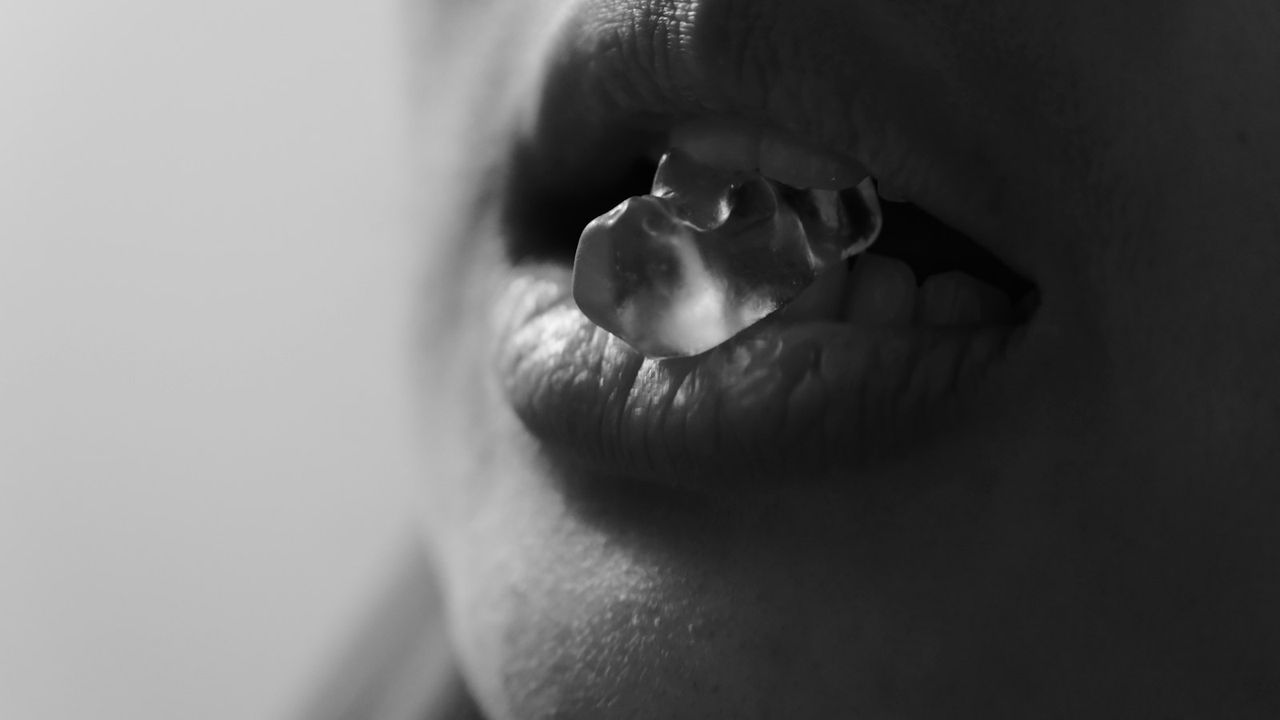
Many people take care of their teeth by brushing and going to check-ups, yet keep small daily habits that damage the enamel, the gums or even the jaw joint. At AKDENT – Dental Clinic, we show you the 10 most common bad habits, what effects they really have, and how to replace them with healthier routines without complicating your life.
1. Biting your nails (onychophagia)
Besides being a nervous habit, biting your nails means repeated micro-impacts on the incisors and constant overloading of the jaw.
- What problems it causes:
- Wear on the incisal edges.
- Small fractures or chips.
- Increased risk of bruxism and muscle tension.
- Bacteria from the hands entering the mouth.
- Alternatives:
- Keep your nails short and, if it helps, painted with nail polish.
- Use nail files instead of your teeth.
- Identify moments of stress and replace the habit with stress balls or controlled breathing.
2. Using your teeth as a tool
Opening packages, cutting tape or tearing off labels with your teeth is a classic… and a classic cause of fractures and broken restorations.
- Risks:
- Fractures of the enamel and veneers.
- Crowns and bridges coming loose.
- Trauma to teeth that have had root canal treatment (they are more fragile).
- Changing the habit:
- Keep scissors, bottle openers and tools always at hand (don't improvise with your mouth).
- “Personal rule”: if you wouldn't do it with a porcelain tooth, don't do it with your own.
3. Chewing ice, bones or very hard foods
“Nothing ever happens to me”… until it does. Crunching ice with your teeth or chewing on bones or very hard almonds can cause cracks and unexpected fractures.
- Consequences:
- Vertical cracks that can end in extraction.
- Pain when chewing (cracked tooth syndrome).
- Accelerated wear of the cusps.
- Alternatives:
- Let the ice dissolve; don't chew it.
- Avoid nibbling on very hard parts (unpopped popcorn kernels, bones).
- Cut hard foods into small pieces.
4. Chewing pens, caps or other objects
This is a very common habit among students, office workers and people in moments of concentration. The problem is that it subjects your teeth to constant, uneven pressure.
- Associated problems:
- Localized wear on the incisors and canines.
- Slight shifting of the teeth over time.
- Greater muscle tension and jaw pain.
- How to break the habit:
- Replace it with sugar-free gum (xylitol) at specific moments.
- Spot your “trigger moments” (meetings, studying, driving) and use alternatives: pencils with a grip, stress rings, etc.
5. Brushing too hard or with a hard-bristled toothbrush
“The harder, the cleaner” is a myth. Too much pressure and hard-bristled brushes can cause gum recession and wear at the neck of the tooth (abrasion/abfraction lesions).
- Warning signs:
- “Notches” or grooves at the neck of the tooth.
- Gums that “rise” and leave the root exposed.
- Sensitivity to cold at the tooth necks.
- Solution:
- Use a soft or ultra-soft toothbrush, or an electric one with a pressure sensor.
- Learn the modified Bass technique (gentle movements, not horizontal “scrubbing”).
- Time: 2–3 minutes, but gently.
6. Smoking or vaping: beyond the color of your teeth
Tobacco (and many vaping devices) not only stain the teeth: they affect the gums, the bone and the ability to heal, increasing the risk of periodontitis and tooth loss.
- Risks:
- Greater buildup of plaque and tartar.
- Reduced visible bleeding: the gums may look more “pale” yet still be diseased.
- Higher likelihood of implant failure.
- Increased risk of oral cancer.
- Realistic goal:
- If you can, quit smoking with professional support.
- If you're not ready yet, cut down, avoid smoking before your dental cleaning, and keep up frequent professional cleanings.
7. Soft drinks, energy drinks and constant snacking
It's not just the amount of sugar, but the frequency and the acidity. Sipping a drink over several hours keeps the pH in your mouth constantly low, promoting cavities and erosion.
8. Ignoring floss/interdental brushes and relying only on your toothbrush
A toothbrush cleans the outer surfaces but leaves up to 40% of the tooth surface (between the teeth) untouched. Not using floss or interdental brushes promotes interproximal cavities and gum problems.
- Consequences:
- Cavities “between the teeth” that are hard to see at first.
- Bad breath (halitosis) from accumulated plaque.
- Localized gingivitis that can progress to periodontitis.
- Minimal change, maximum impact:
- Floss, dental tape or interdental brushes at least once a day (ideally at night).
- Choose the tool according to the type of space (narrow = floss, open = interdental brush).
9. Oral piercings and “biting” jewelry
Piercings in the tongue, lip or frenulum can repeatedly knock against the teeth and gums, causing microtrauma and gum recession.
- Risks:
- Fractures at the incisal edges.
- Gum recession on the lower incisors (especially with lip piercings).
- Risk of infection if strict hygiene isn't maintained.
- If you decide to wear them:
- Choose biocompatible materials and small sizes.
- Avoid playing with the piece or biting it against your teeth.
- Have your gums checked regularly at the clinic.
10. Skipping check-ups or “waiting until it hurts”
One of the worst habits isn't something you do, but something you don't do: going to the dentist only when you're in pain. Cavities, gum disease and small fractures are easier and cheaper to treat when they are detected early.
- Consequences of waiting:
- More complex treatments (root canals, extractions, surgeries).
- Higher cost and more time in the clinic.
- Poorer prognosis for your teeth and gums.
- Healthy habit:
- Check-ups every 6–12 months (depending on your risk).
- Follow-up X-rays when your dental professional recommends them.
Quick self-assessment: which habits sound like you?
- Do I bite my nails or chew pens?
- Do I use my teeth to open things or cut tape?
- Do I chew ice or excessively hard foods?
- Do I brush “hard” or use a hard-bristled toothbrush?
- Do I smoke or vape regularly?
- Do I drink soft drinks or energy drinks several times a day?
- Do I use floss or interdental brushes every day?
- When was my last dental check-up?
How to change habits without stress: the AKDENT strategy
- Prioritize: choose 1–2 habits to change first (the ones that cause the most damage).
- Replace: don't just “stop”… swap in an alternative behavior (sugar-free gum, the right tool, breathing exercises, etc.).
- Track: spending a week noting the moments when the habit shows up already gives you a lot of information.
- Reinforce: celebrate the days without the habit, rather than only punishing yourself when it appears.
Frequently asked questions (FAQ)
- Is chewing ice once in a while really that bad? The risk exists every time you crunch ice with your teeth. Nothing may happen… until an edge fractures.
- Does a hard toothbrush clean better? No. It cleans more at the cost of wearing down your gums and enamel. A soft brush with the correct technique is better.
- Is vaping harmless for the mouth? No. It can alter the gums, the oral mucosa and saliva. Even if it stains less, it isn't “neutral” for oral health.
- Can I use wooden toothpicks? Occasionally, yes, but interdental brushes or floss are better; toothpicks can traumatize the gum papilla.
- When should I start using floss/interdental brushes? As soon as there is contact between the teeth (even in teenagers).
Your plan at AKDENT: break habits and protect your smile
At AKDENT – Dental Clinic, we identify the risk habits in your case (bruxism, tobacco, diet, brushing, piercings), examine your teeth and gums, and design a realistic plan to protect your smile: education, regular professional cleanings, night guards if needed, and follow-up.
Do you recognize yourself in any of these habits? Book your check-up appointment at AKDENT and start changing the small routines that make a big difference to your teeth in the long run.
Updated: