
Anti-Cavity Diet: Foods That Protect Your Teeth
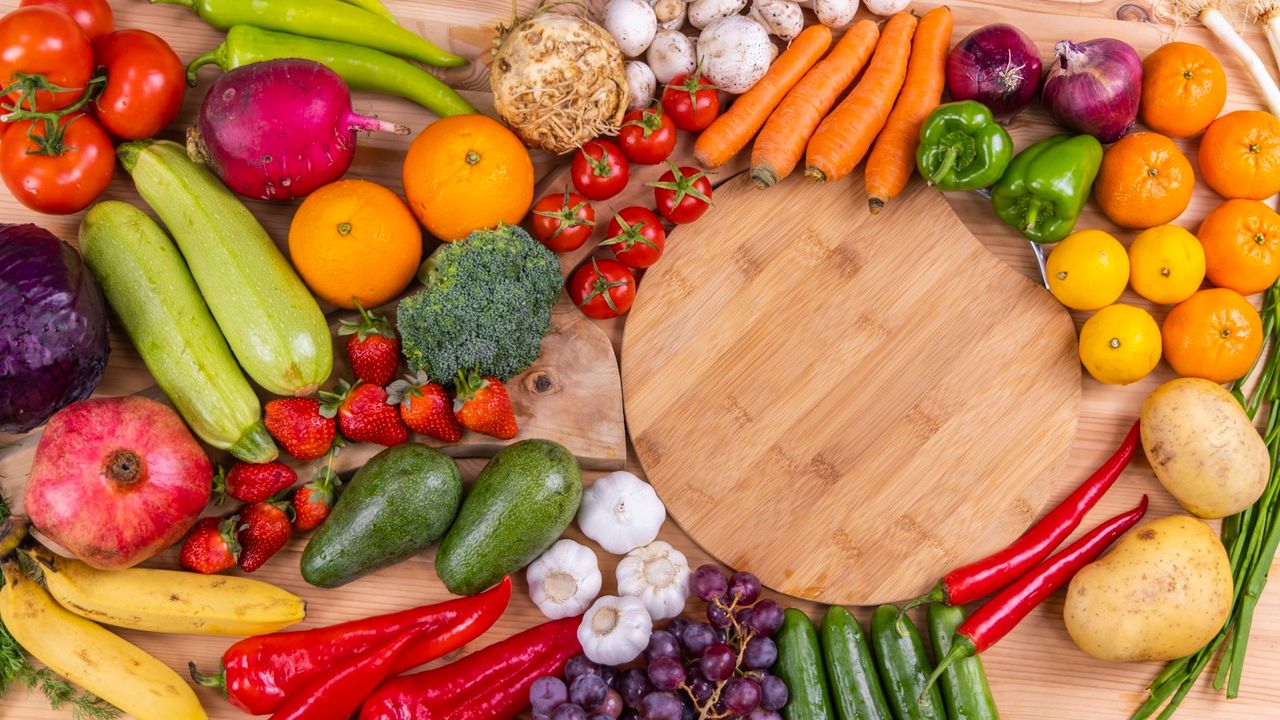
What you eat is just as important for your teeth as brushing or flossing. It matters not only what you eat, but also when, how and how often you eat it. An anti-cavity diet is not a “perfect” diet, but a smart way of choosing foods and organizing your meals to reduce the damage caused by sugar and acids and to make the most of foods that protect your enamel. At AKDENT – Dental Clinic, we explain how.
What makes a food “anti-cavity” or “cavity-causing”?
Cavities form when the bacteria in plaque turn the fermentable sugars in food into acids. These acids lower the pH and demineralize the enamel. Saliva tries to repair the damage, but if these “acid attacks” are too frequent, a cavity develops.
- Increase the risk of cavities:
- Free sugars (soft drinks, juices, pastries, sweets).
- Sticky foods that stay between the teeth.
- Acidic drinks (soft drinks, energy drinks, some juices).
- Constant snacking between meals.
- Protect against cavities:
- Foods that stimulate saliva (crunchy texture, chewing).
- Foods rich in calcium, phosphate and protein.
- Foods with a neutral or slightly alkaline pH.
- Well-organized eating patterns (fewer acid attacks per day).
Frequency matters more than quantity
Having a sweet dessert as part of a main meal is not the same as snacking on sugar every hour. Every time you eat something sugary, the pH drops and the tooth suffers an “acid attack.” The more attacks per day, the higher the risk of cavities, even if the total amount of sugar is not huge.
- Better: sugar together with main meals.
- Worse: “nibbling on something sweet” many times a day (a cookie, sugary chewing gum, sips of soft drink…).
Foods that help protect your teeth
- Natural dairy products (milk, unsweetened yogurt, cheese):
- They provide calcium and phosphate, which are essential for enamel.
- Cheese at the end of a meal helps raise the pH and stimulate saliva.
- Whole fruit (not juice):
- Whole fruit requires chewing and provides fiber.
- It is better to eat it whole than as juice.
- Crunchy vegetables (carrot, cucumber, celery):
- They stimulate chewing and the natural cleansing action of saliva.
- Natural nuts (with no added sugar):
- Snacks that are low in sugar and rich in healthy fats and protein.
- Water:
- The best drink for cleansing the mouth and stimulating saliva.
- Sugar-free chewing gum with xylitol:
- It stimulates saliva.
- Xylitol hinders the activity of certain cavity-causing bacteria.
The problem is not having a sweet treat once in a while, but making it a frequent daily habit without good oral hygiene afterward.
Smart snacks: anti-cavity options between meals
- Whole fruit (apple, pear, mandarin).
- Nuts (almonds, walnuts, pistachios) with no sugar or honey.
- Cheese cubes.
- Plain yogurt with no added sugar.
- Carrot or cucumber sticks.
- Water as your main drink.
- Sugar-free chewing gum with xylitol after meals (if your dentist considers it appropriate).
Example of an “anti-cavity” day
It is not about being perfect, but about organizing your meals to reduce sugar spikes and make the most of protective foods.
- Breakfast:
- A glass of milk or a calcium-fortified drink.
- Whole-grain bread with olive oil and tomato.
- A piece of whole fruit.
- Mid-morning:
- A handful of natural nuts.
- Water.
- Lunch:
- Main dish with vegetables + protein (e.g., a hearty salad, meat/fish with a vegetable side).
- Rice, pasta or legumes as a source of carbohydrates.
- For dessert, plain yogurt or a piece of cheese.
- Afternoon snack:
- Whole fruit (not juice) or plain yogurt.
- If you have something sweet (for example, a piece of homemade sponge cake), it is better at this time than snacking all day.
- Dinner:
- Vegetables (cream soup, grilled, sautéed).
- Protein (fish, omelet, lean meat).
- A little bread.
- If you feel like something sweet, it is better to have it with dinner than later on in front of the TV.
Children and the anti-cavity diet
In children, the combination of frequent sugar + poor hygiene + thinner enamel greatly increases the risk of cavities. Some helpful strategies:
- Reserve sugary products (if any) for specific moments rather than giving them on demand.
- Avoid letting them fall asleep with bottles of milk or juice (water only if needed).
- Offer anti-cavity snacks: fruit, cheese, nuts (depending on age), plain yogurt.
- Reinforce brushing with fluoride toothpaste according to age and professional recommendation.
Anti-cavity diet during orthodontic treatment
With braces, food debris and plaque accumulate more easily, so the effect of sugar and acids is even greater.
- Avoid gummy candies, hard candies, sugary chewing gum and very sticky foods.
- Limit sugary and energy drinks (and don’t sip them slowly over a long time).
- Favor water, dairy products, nuts and whole fruit.
- Use interdental brushes and, if indicated, a fluoride mouthwash.
Dry mouth and diet: a special case
If you produce little saliva (due to medication, age, stress, radiotherapy…), an anti-cavity diet is even more important, because saliva is your body’s great natural defender.
- Avoid sugary snacking and acidic drinks as much as possible.
- Prefer water, natural dairy products, and soft, moist foods.
- Use sugar-free chewing gum or products specifically designed for xerostomia if your dental professional recommends it.
Simple tricks to reduce the impact of sugar
- If you are going to have something sweet, try to have it with a meal, not between meals.
- After something sugary or acidic, drink water and, if you can, brush your teeth (waiting about 20–30 minutes if it was very acidic).
- Avoid keeping sweets “in sight” all day.
- Check labels: many “savory” products (sauces, snacks) also contain added sugar.
Frequently Asked Questions (FAQ)
- Can I eat sweets if I want to take care of my teeth? Yes, but it is better to have them only a few times a day and preferably with meals, not as constant snacking.
- Are “natural” juices good for your teeth? Nutritionally they can provide vitamins, but for your teeth they mean sugar + acidity, especially if consumed outside of mealtimes.
- Is brown or cane sugar better than white sugar? Not for your teeth: all fermentable sugars behave similarly with regard to bacteria.
- Do sweeteners cause cavities? They are not fermented like sugar, but you need to look at the product as a whole (acidity, other ingredients) and not base your diet solely on “light” products.
- Is drinking lemon water every day bad? It can erode the enamel if consumed very frequently and without rinsing afterward. The best approach is to moderate how often you drink it and take care with your brushing.
Your plan at AKDENT: diet, hygiene and check-ups
At AKDENT – Dental Clinic, we don’t just look at your teeth: we also analyze your eating habits, how often you snack, the types of drinks you consume, and whether you have dry mouth or other risk factors. With all of this, we design a personalized hygiene and anti-cavity diet plan.
Do you worry about getting cavities often, or do your children eat a lot of sweets? Book your appointment at AKDENT: we will help you adjust your diet without extreme measures and protect the health of your smile in the long term.
Updated: